Introduction
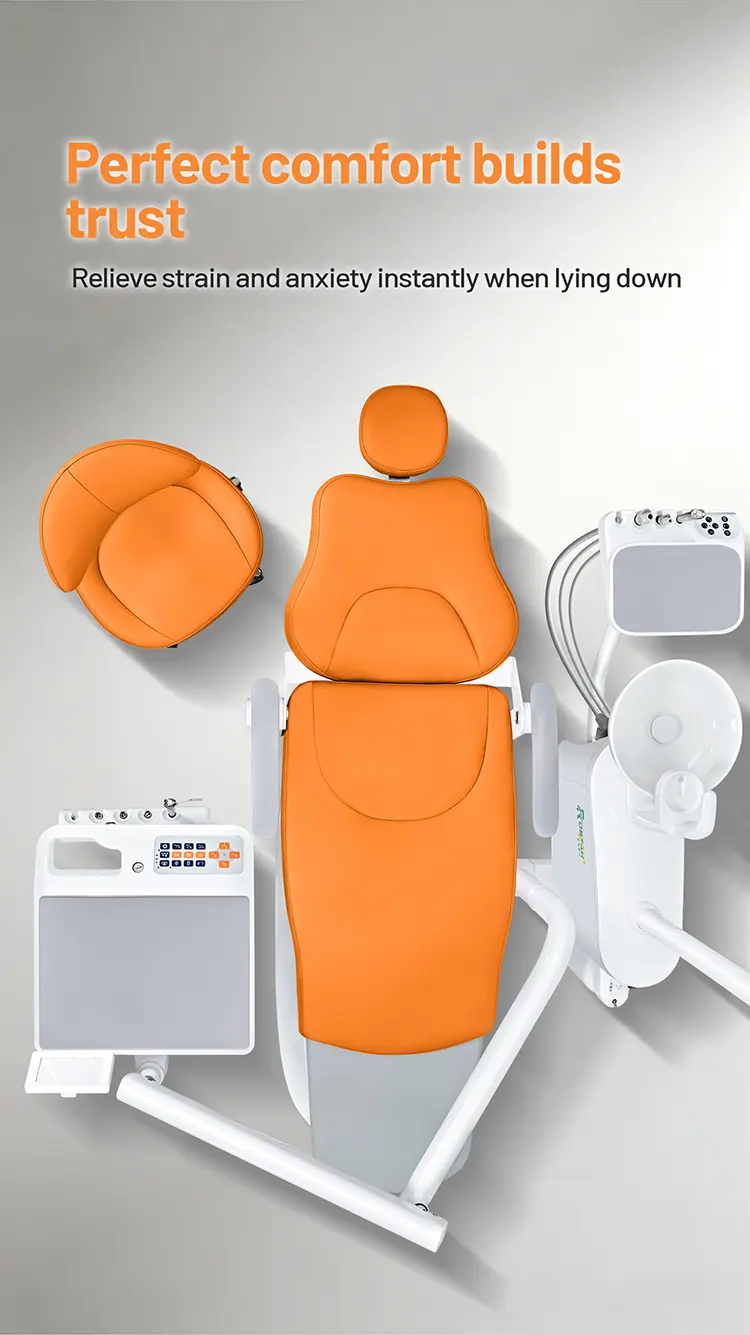
A modern dental unit combines several components to support dental examinations and treatment procedures. For dentists, the right configuration can help organize instruments, improve accessibility, and create a more practical working environment.
For dental equipment distributors, understanding these features is equally important when recommending products to clinics.
Here are six factors to consider when evaluating a dental treatment unit.
1. Chair Positioning and Adjustment
The patient chair should provide positioning options appropriate for the intended clinical procedures.
When comparing models, check the movement range, adjustment controls, headrest design, and available preset positions. The control system should be easy for dental professionals to understand and operate.
The most suitable arrangement depends on the clinical workflow and the features offered by each model.
2. Dentist Delivery System
The delivery system organizes the instruments used during dental treatment.
Depending on the design, a dental unit may use an over-the-patient, continental, or side-delivery arrangement. Each design has different implications for instrument access, space planning, and coordination with an assistant.
Before purchasing, consider the dentist’s preferred working position and the available space in the treatment room.
3. Dental Operating Light
Good lighting helps dental professionals observe the treatment area.
When selecting a dental operating light, consider illumination adjustment, positioning flexibility, ease of cleaning, and compatibility with the dental unit. Buyers should confirm the light’s specifications rather than relying on appearance alone.
4. Patient Upholstery and Headrest
The upholstery and headrest contribute to patient comfort and the overall appearance of the dental chair.
Consider the upholstery material, cleaning requirements, headrest adjustment, and available color options. For clinics serving a wide range of patients, adjustability may be particularly useful.
5. Foot Control and Assistant Unit
Foot controls allow dental professionals to operate supported functions without relying exclusively on hand controls.
The available functions differ by product configuration. Buyers should confirm whether the foot control supports the operations they need and whether the assistant unit includes the required controls and accessories.
6. Maintenance and Spare Parts
Ease of maintenance is important for equipment used in busy clinics.
Ask the manufacturer about cleaning instructions, routine inspection, component replacement, and access to spare parts. Distributors should also consider whether product manuals and technical support are available for their customers.
How to Select the Right Configuration
Before requesting a quotation, prepare a list of required features and optional accessories. This helps manufacturers provide a clearer quotation and makes it easier to compare different dental unit models.
At Rostarmedical, buyers can explore the RS1, RS3, and RS6 product ranges and discuss their preferred configurations with our team.
Contact us at sales03@rostarmedical.com for product specifications and quotations.