When setting up or upgrading your dental clinic, choosing the right dental chair is one of the most important decisions you’ll make. A comfortable, reliable, and functional dental chair directly affects both your workflow and your patients’ experience.
One key choice dentists face today is whether to invest in a hydraulic dental chair or an electric dental chair. Both technologies have their merits — and understanding the pros and cons of each can help you make an informed decision.
In this article, we’ll compare hydraulic and electric dental chairs in terms of performance, comfort, maintenance, cost, and other practical considerations.
What’s the Difference?
Before diving into the comparison, let’s briefly define what makes these two types different.
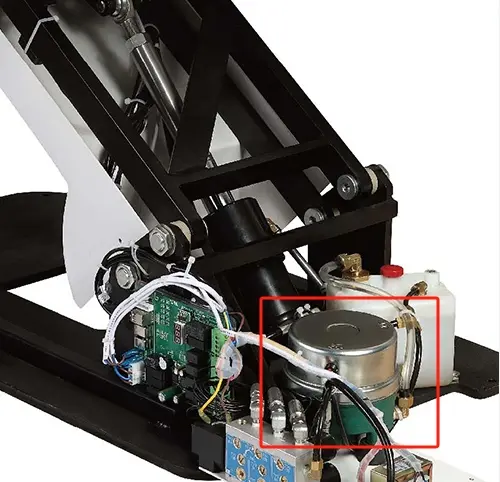
Hydraulic dental chairs use pressurized fluid (usually oil) to power the chair’s movements. The system is driven by a motor that activates a hydraulic pump, which adjusts the chair’s position smoothly.
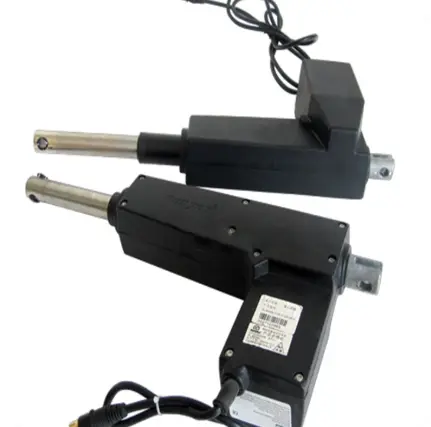
Electric dental chairs, on the other hand, rely on electric motors (actuators) to control the chair’s movements directly, converting electrical energy into motion.
Though the result — raising, lowering, tilting the chair — may look similar, the internal mechanisms and performance differ.
Advantages of Hydraulic Dental Chairs
1. Smooth and Silent Operation
Hydraulic chairs are known for their smooth, quiet movements. The oil in the system acts as a lubricant and shock absorber, making transitions between positions seamless and noise-free — which is especially comforting for nervous patients.
2. Higher Weight Capacity
Because hydraulic systems generate strong, stable pressure, they can support heavier loads more easily than electric actuators. If your clinic sees many large or heavy patients, a hydraulic chair may be more reliable.
3. Proven Technology
Hydraulics have been used in dental chairs for decades and have a reputation for durability and reliability. Many dental professionals trust hydraulic chairs because of their track record in demanding clinical environments.
Disadvantages of Hydraulic Dental Chairs
1. Maintenance Requirements
Hydraulic systems can leak oil over time, which requires regular maintenance. If not serviced properly, leaks can damage floors and create safety hazards.
2. Less Energy Efficient
Hydraulic systems rely on a pump that often runs continuously while the chair is in use. This can consume more electricity compared to electric motors that only draw power when adjusting.
3. Bulkier Design
Because of the hydraulic pump and oil reservoir, these chairs can be heavier and take up more space compared to their electric counterparts.
4. Higher Price
European, American and Japanese brands mostly use hydraulic motors. The price of dental chairs is also relatively expensive. Chinese dental chair factories mostly use electric motors. Dental chairs with the same configuration are 50%-70% cheaper than those in Europe.
Advantages of Electric Dental Chairs
1. Precise Positioning
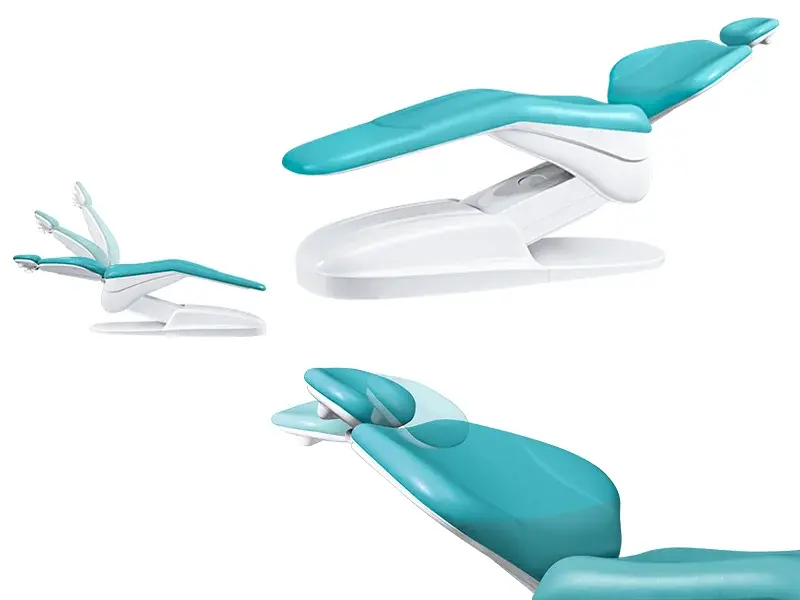
Electric chairs use advanced motors to achieve very precise movements and positions. They often allow for more programmable presets, making it easy to switch between preferred positions for different procedures.
2. Energy Efficiency
Electric actuators consume power only when moving, and some modern models are designed to be highly energy-efficient — which can help reduce utility costs over time.
3. Compact and Modern Design
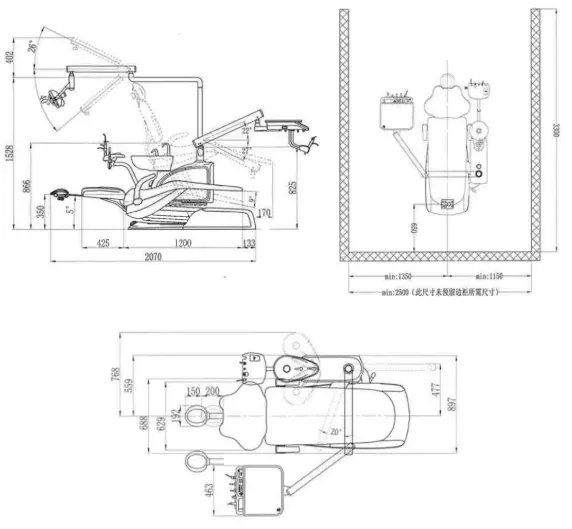
Electric chairs are generally lighter and sleeker, offering a more modern look and making them easier to install in clinics with limited space.
4. Lower Maintenance
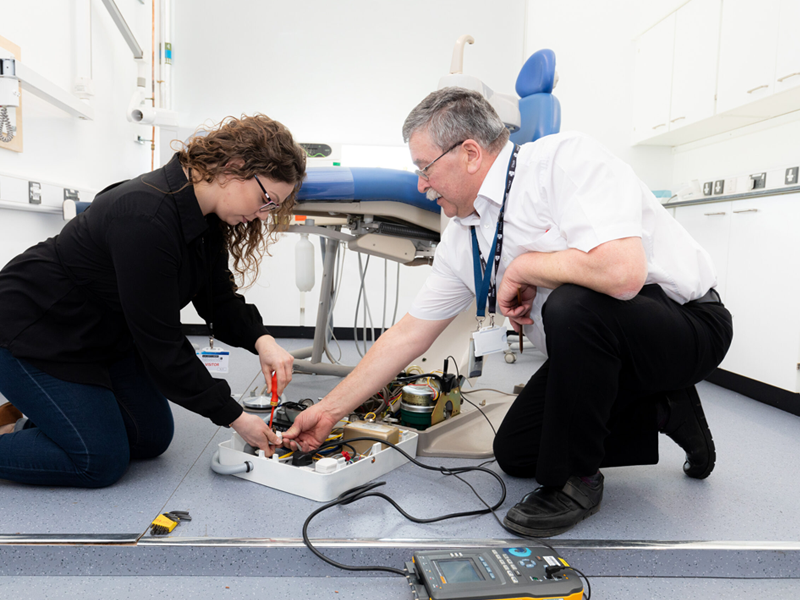
Unlike hydraulic systems, electric chairs don’t require oil changes or checks for leaks. This makes them lower-maintenance and often more environmentally friendly.
Disadvantages of Electric Dental Chairs
1. Unsmooth
The electric motor is prone to jerkiness during start and stop. Compared with the hydraulic motor, it is not smooth enough.
With the advancement of technology, we can control the start and stop speed of the motor by adjusting the program of the circuit board. This will eliminate the frustration of the electric motor during movement.
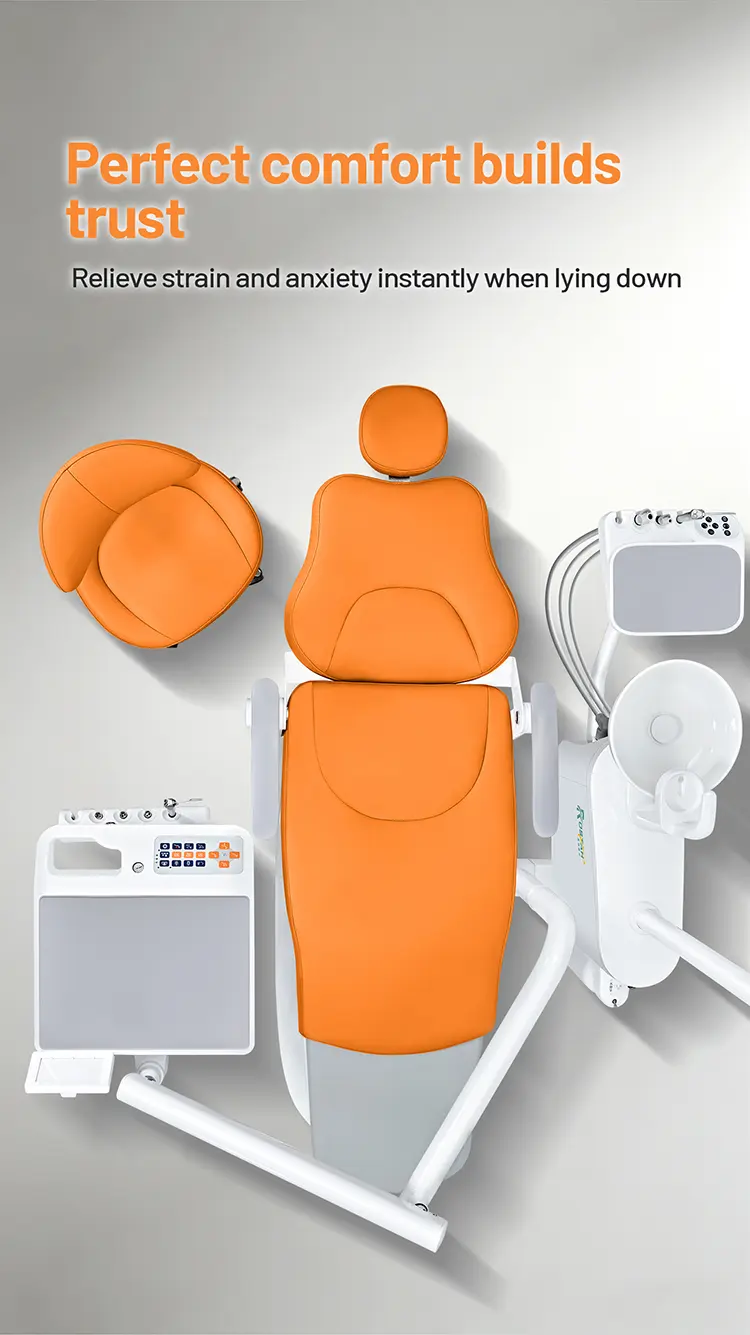
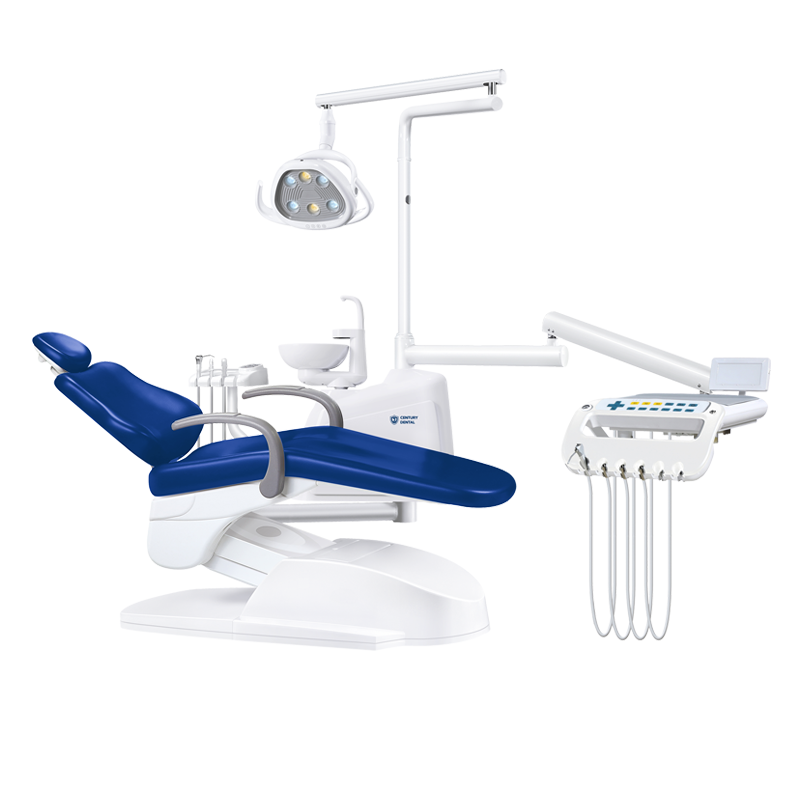
CENTURYDENT’s electric motor dental chair can be as smooth as a hydraulic motor.
2. Less Weight Capacity
Electric chairs may have lower maximum weight limits compared to hydraulic chairs, although most are still sufficient for the average patient population.
3.Rigid transmission, weak impact resistance
Electric motors transmit power through rigid structures such as screws and gears. When encountering sudden impacts (such as violent shaking of the patient, collision of the chair body), the impact force directly acts on the mechanical parts, which may cause gear wear and screw deformation. Additional buffer devices (such as springs) need to be installed to compensate, increasing the complexity of the structure.
Which One Should You Choose?
The best choice depends on your practice’s priorities:
If you value smooth, quiet operation and need higher weight capacity, a hydraulic dental chair may be the better option.
If you prefer modern features, lower maintenance, and energy efficiency, an electric dental chair is likely the right choice.
Consider also the long-term costs. Hydraulic chairs may be less expensive upfront but can incur higher maintenance costs over time. Electric chairs cost more initially but save on maintenance and power.
Quick Comparison Table
| Feature | Hydraulic Dental Chair | Electric Dental Chair |
|---|---|---|
| Smoothness & Quiet |  Excellent Excellent |  Louder than hydraulic Louder than hydraulic |
| Precision & Control | Limited presets | Highly precise, programmable |
| Maintenance | Requires oil checks | Low maintenance |
| Energy Efficiency | Less efficient | More efficient |
| Weight Capacity | Higher | Lower |
| Cost (initial) | More expensive | Affordable |
| Design & Footprint | Bulky | Compact & modern |
Final Thoughts
Both hydraulic and electric dental chairs have their place in modern dentistry. The key is to match the chair’s capabilities with your clinic’s needs and budget.
If you run a busy practice that sees many patients daily and requires minimal downtime, an electric chair’s reliability and low maintenance might be worth the higher price tag. But if you’re focused on affordability and heavy-duty performance, a hydraulic chair could be your best choice.
Before making a decision, it’s always a good idea to test both types in person, consult with manufacturers, and consider the long-term return on investment.
If you’re interested in learning more about the latest models and prices for hydraulic or electric dental chairs, feel free to contact us today for a free consultation!