Introduction
Working with a dental chair manufacturer can be both an exciting and challenging process—especially for importers, distributors, or dental clinic owners looking to expand their product lines.
A successful partnership requires clear communication, trust, and understanding of the entire workflow—from the first inquiry to the final shipment.
In this article, we’ll guide you step by step on how to work efficiently with a dental chair manufacturer, ensuring that your orders are delivered on time, within budget, and with consistent quality.
1. Start with a Clear and Detailed Inquiry
A professional inquiry sets the tone for the entire cooperation.
Before you send that first email or WhatsApp message, prepare the following details:
Product type and model (e.g., electric dental chair, hydraulic dental chair, or portable unit)
Quantity (sample order or bulk order)
Target market and certification requirements (CE, ISO13485, FDA, etc.)
Customization requests (logo printing, color, upholstery material, or control system)
Preferred delivery timeline

The more specific your inquiry, the faster the manufacturer can respond with accurate quotations and technical suggestions.
Pro Tip (Author’s Insight):
Manufacturers value buyers who know what they want. A well-structured inquiry not only speeds up quotation time but also shows that you’re a serious business partner.
2. Evaluate the Manufacturer’s Capability
Before placing an order, make sure the manufacturer you’re working with is trustworthy and capable of producing what you need.
Here’s what to check:
Factory certifications: CE, ISO13485, or other relevant quality standards
Experience in export markets: Ask which countries they’ve supplied before
R&D and OEM ability: Can they develop or customize based on your brand’s needs?
Production capacity and lead time: Essential for large-volume or ongoing orders
After-sales support: How they handle warranty or spare parts supply
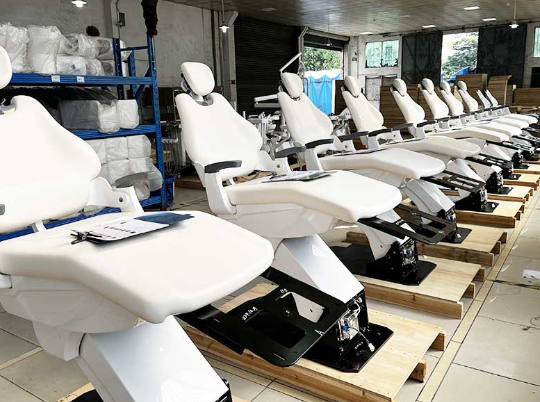
You can also request a video tour or a virtual factory inspection to confirm production capability.
Author’s Insight:
In the dental equipment industry, long-term success depends on consistent quality and compliance. Always choose manufacturers that meet international medical device standards, not just the cheapest ones.
3. Request Samples Before Mass Production
Samples are the bridge between expectations and real product performance.
Before confirming bulk orders, request 1–2 sample units for testing.
When evaluating samples, focus on:
Cushion comfort and material quality (e.g., seamless PU vs. stitched leather)
Chair movement smoothness and noise level
Quality of accessories (LED light, foot control, spittoon, tubing)
Electrical and hydraulic systems’ reliability
Safety standards and finishing
After testing, provide feedback to the manufacturer so they can adjust the final production accordingly.
Author’s Insight:
A good manufacturer welcomes feedback—it helps them fine-tune your product for better long-term cooperation.
4. Confirm Specifications and Production Details
Once the sample is approved, move to the order confirmation stage. This phase is crucial for avoiding misunderstandings later.
Key elements to include in your Proforma Invoice (PI) or Sales Contract:
Product model and full specifications
Quantity and unit price
Total order value and payment terms (T/T, LC, etc.)
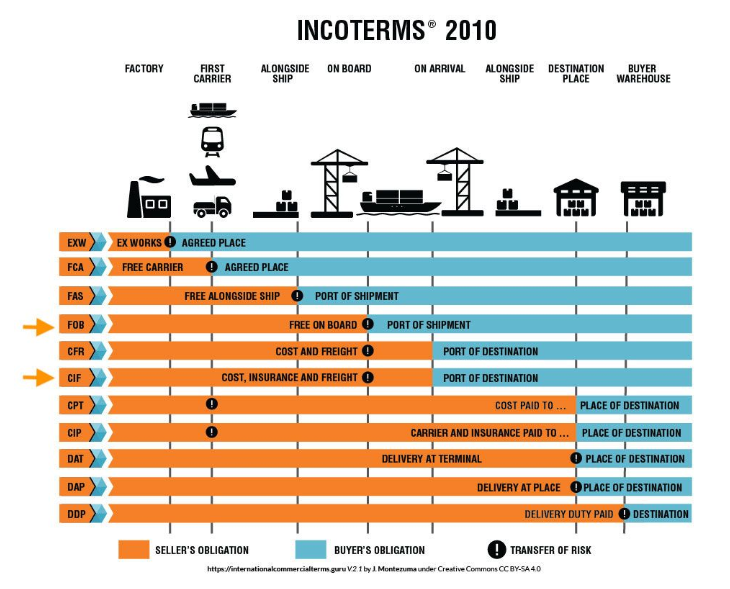
Lead time and delivery terms (FOB, CIF, EXW, etc.)
Packaging details (carton size, wooden case, logo printing)
Warranty policy
Make sure all these details are written and agreed upon before production begins.
Author’s Insight:
Most disputes happen due to unclear agreements. Always confirm every technical and commercial detail in writing—not by verbal promise.
5. Maintain Clear and Consistent Communication
During production, stay in touch regularly with your manufacturer.
Professional factories will usually share updates such as:
Photos or videos of production progress
Quality inspection results
Packaging or container loading updates
You can use email, WhatsApp, or WeChat to maintain communication. The goal is to prevent surprises when the goods are shipped.
Author’s Insight:
Good communication builds trust. Even small updates (like confirming color codes or packaging design) can prevent costly rework or delays.
6. Quality Control and Pre-Shipment Inspection
Before shipping, you—or your appointed third party—should conduct a final quality inspection.
The inspection should include:
Appearance and function check (all chair movements, controls, and lights)
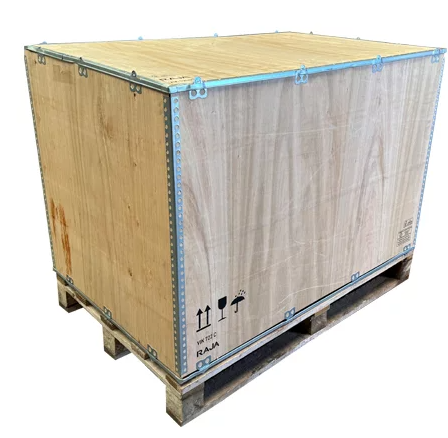
Packaging inspection (labels, manuals, accessories)
Random testing of electrical parts
Verification of quantity and serial numbers
If issues are found, the factory can fix them before shipment, saving both time and cost.
Author’s Insight:
Don’t skip inspection even with trusted manufacturers. It’s a professional safeguard, not a sign of distrust.
7. Shipping and Documentation
Once quality is approved, the manufacturer will arrange shipment.
For international buyers, this includes several key documents:
Commercial Invoice
Packing List
Bill of Lading (B/L) or Air Waybill
Certificate of Origin
Product Certificates (CE, ISO, etc.)
Ensure all documents match your import requirements and customs regulations.
Confirm whether your order is FOB, CIF, or DDP, so you know who handles freight and insurance.
Author’s Insight:
Experienced manufacturers often have freight forwarder partners who can offer better shipping rates and handle export procedures smoothly.
8. After-Sales Support and Long-Term Partnership
The relationship doesn’t end after delivery—it’s just the beginning.
Reliable dental chair manufacturers provide:
Technical support for installation or troubleshooting
Spare parts supply for maintenance
Warranty services (usually 1–3 years)
Product training materials for your sales or technical team
Establish a stable partnership where both sides benefit from regular orders, feedback, and market updates.
Author’s Insight:
Strong after-sales service turns one-time buyers into long-term partners. Manufacturers who care about your business success are worth keeping.
9. Common Mistakes to Avoid When Working with Manufacturers
Even experienced buyers can make these mistakes:
❌ Placing large orders without testing samples
❌ Ignoring certification requirements (especially for EU/US markets)
❌ Focusing only on low price instead of quality consistency
❌ Poor communication about customization details
❌ Not planning enough lead time before your market demand
Author’s Insight:
Treat your manufacturer as a strategic partner, not just a supplier. This mindset builds trust, ensures reliability, and gives you a competitive edge.
10. Building Long-Term Cooperation
Once you’ve successfully completed a few orders, it’s time to strengthen the cooperation.
Here’s how:
Share your market feedback to help the manufacturer improve
Negotiate better payment terms or exclusive distribution rights
Co-develop new models with your brand identity
Visit the factory once a year to build stronger connections
The more transparent and collaborative your relationship, the better results you’ll achieve together.
Author’s Insight:
Long-term partnerships reduce cost, increase efficiency, and help both parties grow sustainably in the global dental equipment market.
Conclusion
Working effectively with a dental chair manufacturer requires professionalism, clear communication, and mutual trust.
From inquiry to delivery, every step matters — from the first message you send, to the way you handle feedback after receiving your goods.
If you invest time in building a transparent and efficient workflow, you’ll not only get better products but also a partner who supports your business growth in the long run.
Author’s Final Thought:
In today’s competitive market, success doesn’t just depend on price—it depends on partnership. Choose your manufacturer wisely, and treat them as part of your team.
FAQ
Q1: How long does it usually take to manufacture a dental chair?
A: Lead time typically ranges from 25–45 days, depending on order size and customization level.
Q2: What’s the minimum order quantity (MOQ) for most dental chair manufacturers?
A: Usually between 1–5 units for standard models, and higher for OEM (at least 10-20 units) or custom designs.
Q3: How can I ensure the dental chair meets my country’s standards?
A: Always confirm certification requirements in advance (e.g., CE, ISO13485, FDA). Reputable factories will provide valid documents.
Q4: Can I visit the factory before placing an order?
A: Absolutely. Most manufacturers welcome factory visits or online video inspections. It’s a great way to confirm capability and build trust.
Q5: What’s the warranty period for dental chairs?
A: Typically 1 to 3 years, covering mechanical, electrical, and hydraulic parts (varies by factory).