Introduce
Selecting the right dental X-ray machine is one of the most important investments a dental clinic can make. A well-chosen X-ray system not only improves diagnostic accuracy but also enhances workflow efficiency, patient comfort, and long-term profitability. However, with so many models and technologies available—from traditional intraoral machines to advanced 3D CBCT scanners—choosing the best fit can be overwhelming.
In this guide, we’ll walk you through everything you need to know before purchasing a dental X-ray machine: from understanding the types, key specifications, and certifications to budgeting and supplier selection.
1. Understanding the Main Types of Dental X-Ray Machines
Before choosing, it’s crucial to know the different types of dental X-ray systems and what each one is best suited for.
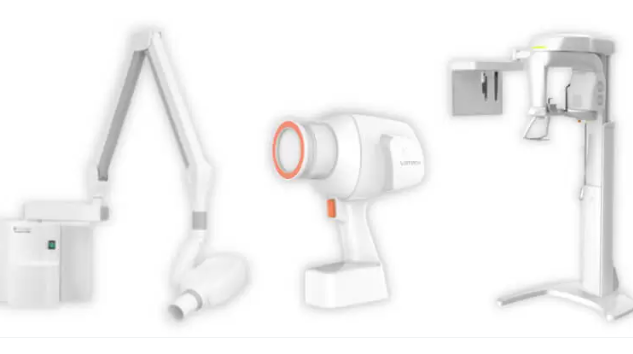
1.1 Intraoral X-Ray Machines
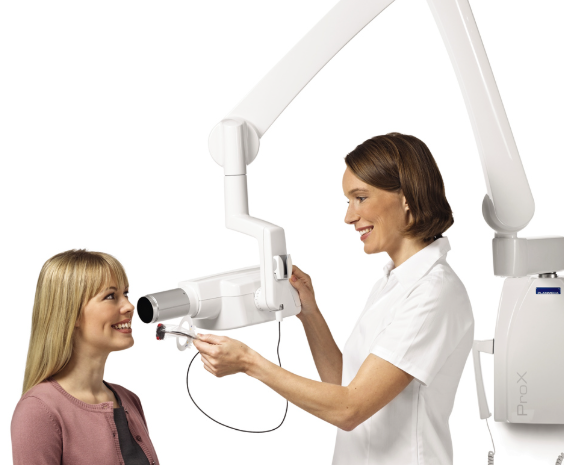
These are the most common in general dental clinics. They capture high-resolution images of individual teeth or small areas within the mouth.
Ideal for:
Detecting cavities
Checking root conditions
Monitoring bone health around teeth
Pros:
Compact and affordable
Easy to operate
Minimal radiation exposure
1.2 Panoramic (OPG) X-Ray Machines
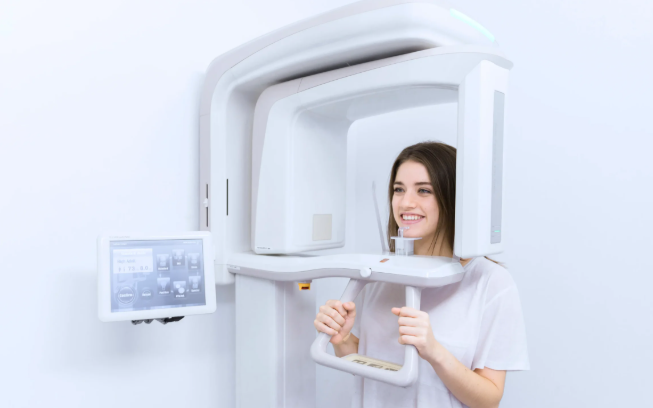
Panoramic X-rays capture the entire mouth in a single image—including all teeth, both jaws, and surrounding structures.
Ideal for:
Orthodontic planning
Wisdom tooth extraction assessment
Overall bone structure analysis
Pros:
Fast, full-mouth overview
Non-invasive and comfortable for patients
1.3 Cephalometric X-Ray Machines
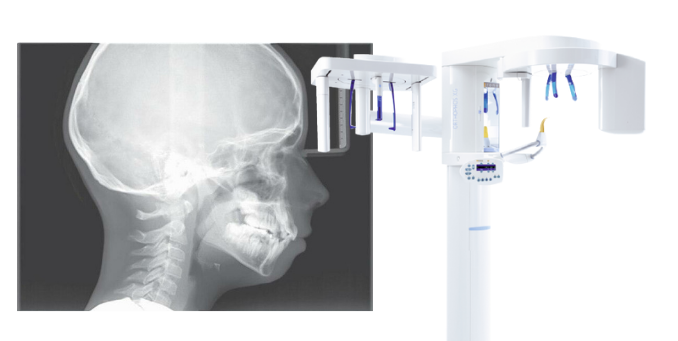
These machines are mainly used in orthodontics to evaluate the relationship between teeth, jaw, and facial profile.
Ideal for:
Orthodontic treatment planning
Jaw alignment studies
Pros:
Accurate measurement of craniofacial structure
Essential for orthodontists
1.4 CBCT (Cone Beam Computed Tomography) Machines
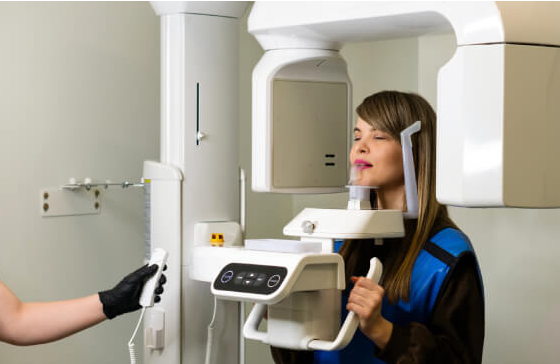
CBCT machines provide 3D images of the oral and maxillofacial region, offering detailed visualization for complex treatments.
Ideal for:
Dental implant planning
Root canal treatment
Surgical and TMJ analysis
Pros:
High diagnostic accuracy
Reduced radiation compared to medical CT
Essential for advanced dental centers
2. Key Factors to Consider Before Buying
Now that you know the main categories, let’s look at the critical factors that determine which X-ray machine is right for your clinic.
2.1 Clinical Needs
Start with your primary service focus.
If your clinic focuses on general dentistry, a digital intraoral or panoramic machine may be sufficient.
If you specialize in implantology or oral surgery, investing in a CBCT machine is essential for 3D diagnostic accuracy.
💡 Author’s Note: It’s better to choose a machine that fits your main procedures 80% of the time, rather than paying extra for features you rarely use.
2.2 Image Quality and Resolution
The higher the image resolution, the more accurate the diagnosis.
Check for:
Detector type: CMOS and flat panel detectors generally provide sharper images.
Pixel size: Smaller pixel size = better resolution.
Dynamic range: A wider range improves contrast and detail visibility.
2.3 Radiation Dose and Patient Safety
Patient safety should always be a top priority. Choose a unit that:
Has ALARA compliance (As Low As Reasonably Achievable)
Offers adjustable exposure settings for different patient sizes
Comes with lead shielding options if needed
2.4 Compatibility and Integration
A good dental X-ray machine should integrate seamlessly with your clinic’s imaging software and practice management system.
Ensure that it supports:
DICOM format (for interoperability)
Integration with intraoral scanners and CAD/CAM systems
Cloud-based storage for easy access and sharing
2.5 Ease of Use and Training
If your staff struggles to operate the system, efficiency drops. Look for:
User-friendly interface
Touchscreen controls
Automated positioning features
🦷 Tip: Ask the supplier whether they provide on-site training and technical support.
2.6 Certifications and Compliance
When buying a dental X-ray machine, especially from international suppliers, check for certifications that prove quality and safety.
Common certifications include:
CE (Europe)
FDA (USA)
ISO 13485 (medical device quality management)
These certifications indicate that the machine meets global safety and performance standards.
3. Budget and Cost Considerations
Dental X-ray machines can vary widely in price depending on their technology level.
| Type | Estimated Price Range (USD) |
|---|---|
| Intraoral | $2,000 – $5,000 |
| Panoramic | $8,000 – $15,000 |
| Cephalometric | $12,000 – $20,000 |
| CBCT | $25,000 – $60,000+ |
When evaluating cost, consider total ownership cost, not just the purchase price.
That includes:
Installation
Software licenses
Maintenance and calibration
Warranty and after-sales service
💬 Author’s Note: A lower-priced machine may end up costing more in maintenance and downtime. Always balance budget with long-term reliability.
4. Comparing Digital and Analog Systems
Although analog (film-based) systems are cheaper, most modern clinics are switching to digital X-ray machines because they offer:
✅ Faster image processing
✅ Lower radiation exposure
✅ Easy image sharing and storage
✅ Long-term cost savings (no film or chemicals)
Verdict:
If you’re setting up a new clinic or upgrading, a digital X-ray machine is the smarter investment.
5. Understanding Supplier Reliability
A high-quality machine from an unreliable supplier can still lead to headaches.
When sourcing from China or other manufacturing hubs, pay attention to:
Factory certifications (ISO, CE, FDA)
Customer reviews or case studies
Technical support availability (remote or local)
Warranty period (at least 1 year)
Parts supply stability
🔍 Pro Tip: Visit the supplier’s factory if possible, or request a live video inspection before purchasing.
6. Installation and Maintenance Tips
Even the best dental X-ray machine can underperform if not properly installed or maintained.
Installation Checklist:
Ensure proper room size and wall shielding
Verify electrical requirements (voltage, grounding)
Calibrate the machine after installation
Maintenance Routine:
Monthly cleaning of sensors and lenses
Annual calibration
Regular software updates
🧩 Author’s Note: Schedule preventive maintenance instead of waiting for issues—it extends machine lifespan and ensures consistent image quality.
7. The Role of Training and After-Sales Support
The supplier’s after-sales service can make or break your experience.
Ensure they provide:
Online or on-site operator training
Remote diagnostic support
Spare part availability
A responsive supplier reduces downtime and ensures continuous clinic operation.
8. Common Mistakes to Avoid
Choosing based only on price
→ A cheap unit without certification can bring regulatory problems.Ignoring clinic workflow
→ Machines that don’t fit your clinic’s space or processes cause delays.Neglecting staff training
→ Even the best X-ray system fails if operators can’t use it efficiently.Overlooking long-term support
→ Always confirm technical assistance and spare parts availability.
9. Future Trends in Dental X-Ray Technology
The dental imaging field continues to evolve rapidly. Future-ready clinics are already adopting:
AI-assisted diagnostics
→ Real-time detection of decay and bone loss.Low-dose radiation CBCT
→ Enhanced safety for patients.Wireless handheld X-ray devices
→ Flexibility for mobile clinics.Cloud-based storage & AI image management
→ Streamlined case sharing and collaboration.
💬 Author’s Opinion: Investing in an AI-compatible or cloud-ready machine today ensures your clinic stays competitive for the next decade.
10. Conclusion: Making the Smart Choice
Choosing a suitable dental X-ray machine isn’t just a technical decision—it’s a strategic investment in your clinic’s future.
Evaluate your clinical needs, workflow, and long-term goals before committing. Focus on:
Image quality
Safety standards
Software compatibility
Reliable supplier support
Whether you’re upgrading your current system or setting up a new practice, a carefully selected X-ray machine will enhance diagnostic precision, improve patient trust, and strengthen your clinic’s professional reputation.
FAQ
Q1: What’s the best dental X-ray machine for small clinics?
A: A digital intraoral or compact panoramic machine is ideal—they’re affordable, space-saving, and versatile.
Q2: How often should a dental X-ray machine be calibrated?
A: At least once a year or according to the manufacturer’s guidelines.
Q3: What certifications should I look for when importing from China?
A: Look for CE, FDA, and ISO 13485 certifications to ensure compliance and safety.
Q4: Can digital X-ray machines connect to my existing imaging software?
A: Yes, most modern systems support DICOM and can integrate with major dental management platforms.
Q5: How long does a dental X-ray machine last?
A: With proper maintenance, a quality unit can last 8–12 years.
Author’s Final Thought
“A dental X-ray machine is more than just equipment—it’s the foundation of accurate diagnosis and patient trust. Choose wisely, and your investment will pay dividends for years to come.”