Introduction
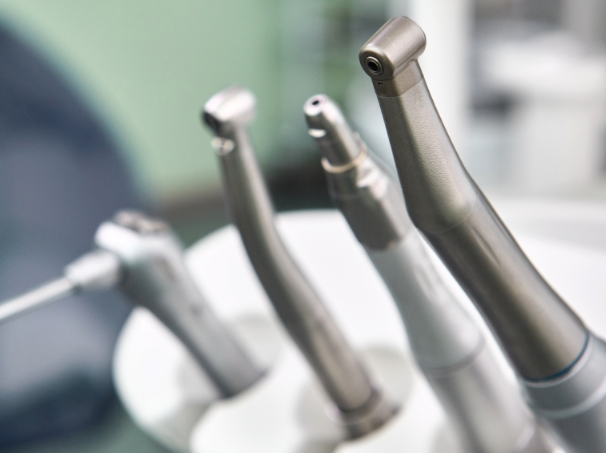
Running a successful dental practice requires more than clinical skills – it also depends on the quality of the equipment you use. Among all dental instruments, the dental handpiece is one of the most important tools for every dentist. It directly affects treatment efficiency, patient comfort, and the overall reputation of your clinic.
Choosing the right dental handpiece may seem simple, but with so many models, brands, and features available, it can be overwhelming. This guide will help you understand what to look for and how to make the best decision when selecting a handpiece for your practice.
1. What Is a Dental Handpiece?
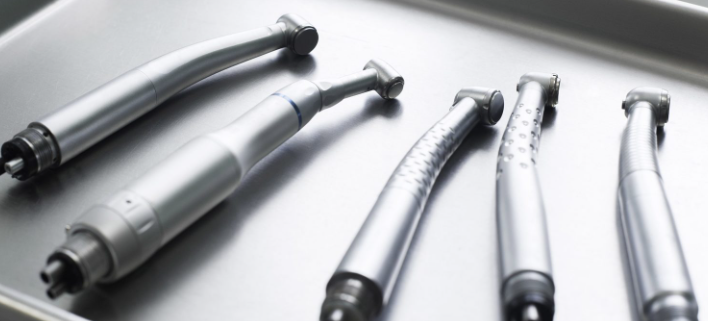
A dental handpiece, commonly known as a “dental drill,” is a precision instrument used by dentists for procedures such as:
Removing decay
Preparing cavities for fillings
Shaping teeth for crowns or bridges
Polishing and finishing restorations
Oral surgery
Handpieces are powered either by air turbines or electric motors, and they come in different designs depending on speed, torque, and clinical application.
2. Why Choosing the Right Dental Handpiece Matters
The right handpiece doesn’t just improve clinical outcomes – it also:
Enhances patient comfort: smoother cutting reduces vibration and noise.
Improves efficiency: faster procedures mean higher patient throughput.
Reduces fatigue: ergonomic designs protect dentists from wrist and hand strain.
Lowers costs: durable handpieces require less frequent repair and replacement.
Ensures safety: proper sterilization features reduce the risk of cross-infection.
Investing in the right equipment pays off long term, both financially and professionally.
3. Types of Dental Handpieces
Before choosing, it’s important to understand the main categories of handpieces.
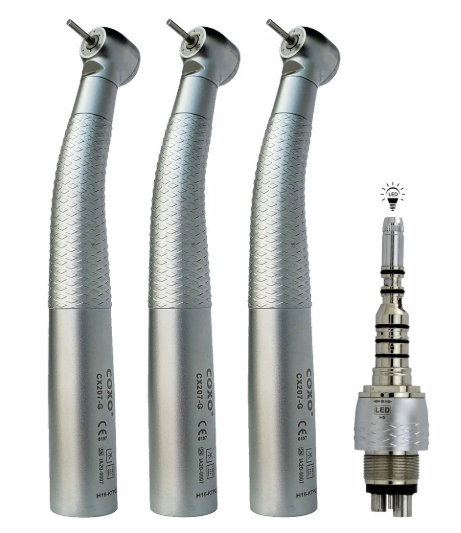
3.1 High-Speed Handpieces
Operates at 300,000–450,000 RPM
Ideal for cutting tooth structure and removing decay
Provides precision and smooth cutting
Requires good cooling system to prevent overheating
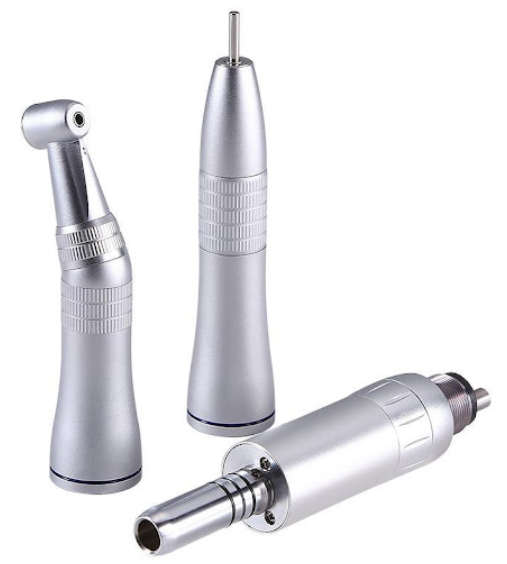
3.2 Low-Speed Handpieces
Operates at 5,000–40,000 RPM
Used for polishing, finishing, and caries removal
Often used in endodontics and orthodontics
More torque but less speed compared to high-speed
3.3 Air Turbine Handpieces
Powered by compressed air
Lightweight and less expensive
Faster RPM but less torque
Common in general dentistry
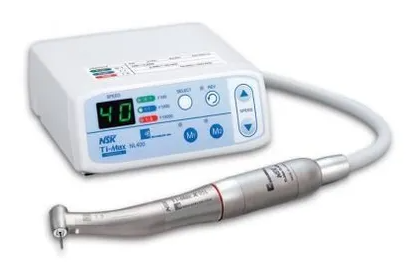
3.4 Electric Handpieces
Powered by an electric motor
Higher torque, consistent speed
Slightly heavier and more expensive
Preferred for precision restorative and surgical work
4. Key Factors to Consider When Choosing a Dental Handpiece
4.1 Speed and Torque
High-speed = cutting and drilling
Low-speed = polishing and finishing
Electric handpieces maintain constant torque, making them ideal for advanced restorative work.
4.2 Ergonomics and Weight
A comfortable handpiece reduces dentist fatigue. Consider:
Lightweight body
Balanced grip
Non-slip surface
4.3 Noise and Vibration
Patients are often anxious about drilling noise. Choose models with:
Quiet turbines
Minimal vibration technology
4.4 Cooling System
Effective cooling prevents damage to pulp and increases patient comfort. Options include:
Single spray
Triple spray
Quadruple spray
4.5 Head Size
Small head: better visibility and access to posterior teeth
Large head: more torque and faster cutting
4.6 Maintenance and Sterilization
Handpieces must withstand frequent autoclaving. Look for:
Autoclavable materials
Anti-retraction valves (prevent backflow and cross-contamination)
Easy-to-change cartridges
4.7 Cost and Longevity
Low-cost handpieces may save money upfront but often require frequent repairs.
High-quality models last longer and reduce downtime.
5. Choosing Between Air Turbine and Electric Handpieces
| Feature | Air Turbine Handpiece | Electric Handpiece |
|---|---|---|
| Speed | Very high (up to 450,000 RPM) | Lower but constant |
| Torque | Lower | High, consistent |
| Weight | Lightweight | Heavier |
| Cost | More affordable | More expensive |
| Best For | General dentistry, cutting enamel | Restorative, surgical, precision work |
6. Specialized Dental Handpieces
In addition to standard handpieces, clinics may need specialized options:
Endodontic handpieces: for root canal treatments
Surgical handpieces: for oral surgery and implant placement
Prophy handpieces: for polishing and hygiene procedures
Choosing the right combination ensures your clinic can perform a wide range of treatments.
7. Brand and Manufacturer Considerations
When buying, consider:
Reputation: established brands offer reliability.
Service availability: ensure local repair and spare parts.
OEM/ODM options: if you are a distributor, sourcing from Chinese manufacturers with OEM service can reduce costs.
Top global brands include NSK, KaVo, Bien-Air, and W&H. Meanwhile, Chinese manufacturers provide cost-effective alternatives with customizable options for dealers.
8. Maintenance Tips to Extend Handpiece Life
Lubricate before and after sterilization
Follow manufacturer’s sterilization guidelines
Use clean, dry compressed air
Replace worn-out parts (bearings, cartridges) promptly
Train staff on proper handling
A well-maintained handpiece can last several years, significantly lowering replacement costs.
9. Common Mistakes to Avoid
Buying only based on price without considering durability
Ignoring after-sales service and repair support
Using incorrect sterilization methods that damage the device
Choosing a heavy handpiece that causes operator fatigue
Overlooking patient comfort (noise and vibration)
10. The Future of Dental Handpieces
Technology continues to evolve, with innovations such as:
Fiber-optic lighting for better visibility
Silent turbines for reduced noise
Smart electric handpieces with programmable speeds
Improved infection control through anti-retraction valves
Clinics that invest in modern handpieces can stand out by offering safer, faster, and more comfortable treatments.
Conclusion
Choosing the best dental handpiece for your clinic is not a one-size-fits-all decision. It depends on your treatment focus, patient needs, and budget. By considering speed, torque, ergonomics, sterilization, and manufacturer support, you can select a handpiece that enhances your clinical performance and improves patient satisfaction.
A high-quality handpiece is more than a tool—it’s an investment in the growth and reputation of your dental practice.