Introduction
Sterilization is the backbone of every dental practice. Without reliable sterilization, even the best dental treatments lose their credibility. Among all sterilization equipment, the dental autoclave is the most essential tool, ensuring that instruments are safe, clean, and ready for use.
But with so many options on the market, how do you choose the right dental autoclave for your clinic? This complete guide will help you understand the types of autoclaves, their features, and the factors you should consider before making a purchase.
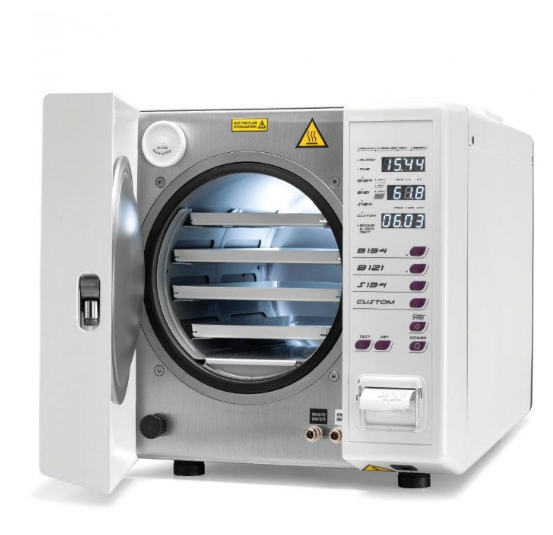
1. What is a Dental Autoclave?
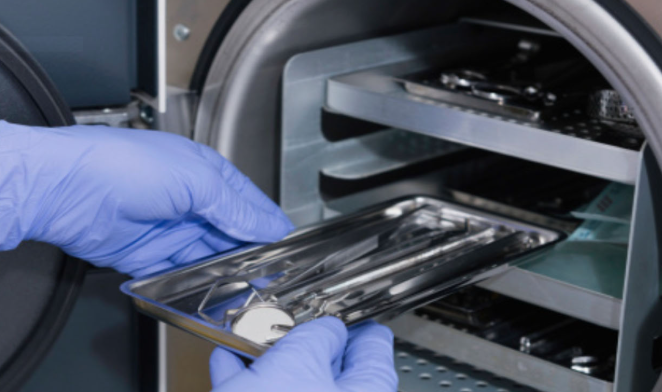
A dental autoclave is a high-pressure steam sterilizer designed to kill bacteria, viruses, fungi, and spores on dental instruments. Unlike dry heat sterilizers, autoclaves use steam under pressure to achieve sterilization, making the process faster and more effective.
In modern dental clinics, an autoclave is not just a piece of equipment—it is a compliance requirement, ensuring patient safety and regulatory approval.
2. Why Choosing the Right Autoclave Matters
Patient Safety: A reliable autoclave prevents cross-infection and ensures instruments are sterile.
Clinic Efficiency: The right size and cycle time can improve workflow.
Regulatory Compliance: Many regions require Class B autoclaves that meet EN13060 or ISO standards.
Cost-effectiveness: Choosing the right autoclave reduces repair costs and extends equipment lifespan.
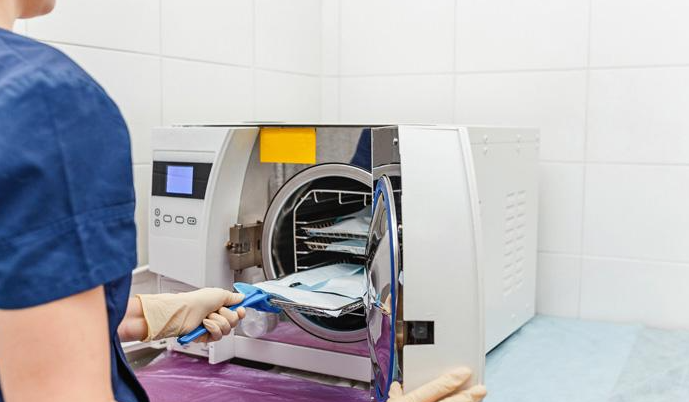
3. Types of Dental Autoclaves
When choosing an autoclave, the first step is understanding the different classes:
Class B Autoclave (Best Choice for Dentistry)
Uses pre-vacuum and post-vacuum technology
Can sterilize hollow, wrapped, porous, and solid instruments
Fully compliant with EN13060 standards
Ideal for dental clinics handling a wide variety of instruments
 Recommended for most modern practices
 Recommended for most modern practices
Class N Autoclave
Uses gravity displacement
Suitable for solid, unwrapped instruments only
Cannot sterilize hollow or packaged instruments
Lower cost, but limited application
Class S Autoclave
Intermediate option
Functions vary depending on manufacturer
Can sterilize some packaged and hollow instruments, but not as powerful as Class B
4. Key Factors to Consider When Choosing a Dental Autoclave
a) Size and Capacity
Small autoclaves (8–12 liters): Suitable for small clinics or backup use
Medium autoclaves (16–23 liters): Standard choice for most dental practices
Large autoclaves (24+ liters): For hospitals or high-volume clinics
 Ask yourself: How many patients do I see daily, and how many sets of instruments do I need per cycle?
b) Sterilization Cycles and Speed
Shorter cycle times improve efficiency
Look for fast “B-class” cycles (15–30 minutes)
Some autoclaves offer special cycles for wrapped or hollow instruments
c) Ease of Use
Touchscreen or digital controls
Pre-programmed sterilization cycles
Automatic drying for better results
d) Maintenance and Reliability
Choose a brand with strong after-sales support
Look for replaceable water tanks, easy cleaning filters, and user-friendly maintenance
e) Certification and Compliance
CE, ISO 13485, and FDA certification are strong indicators of safety and quality
EN13060 compliance is a must for Europe
f) Budget and Long-term Cost
Entry-level N-class autoclaves may cost less, but have limitations
B-class autoclaves are more expensive, but they future-proof your clinic and reduce risk
5. Common Mistakes to Avoid
Choosing an N-class autoclave for a busy dental clinic
Buying a unit that is too small for your workload
Ignoring after-sales service and spare parts availability
Overlooking certification requirements
Focusing only on price instead of value
Conclusion: Which Autoclave Should You Choose?
For most dental clinics, a Class B autoclave (16–23 liters) is the best choice. It covers all types of instruments, meets global compliance standards, and ensures maximum patient safety.
If you are just starting a small practice with a limited budget, you may consider an N-class autoclave, but be aware of its limitations.
Ultimately, choosing the right dental autoclave is an investment in your clinic’s reputation, patient safety, and long-term efficiency.
If you want to buy good price dental autoclave from China. Feel free to contact us!