Introduction
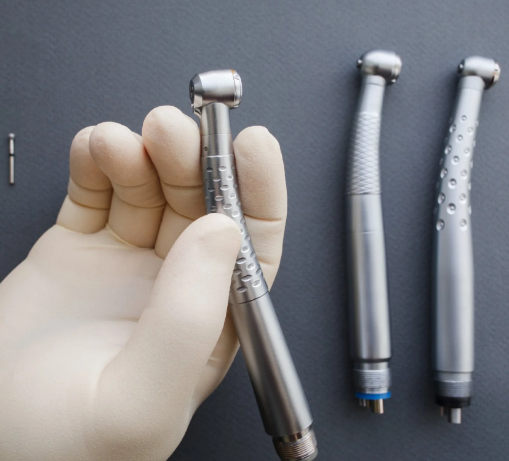
Dental high speed handpieces remain one of the most essential tools in clinical practice. In the 2020s, the demands for operational efficiency, infection control, user experience, and device longevity have grown significantly. By 2025, several innovations are reshaping the design, manufacturing, and after-sales management of high speed handpieces. These include electric and brushless motors, fiber-optic/LED lighting with miniaturized heads, anti-retraction systems and simplified sterilization workflows, smart sensors with predictive maintenance, and advanced materials with sustainable design. This article explores these five innovations, explaining their mechanisms, benefits, impact on procurement and maintenance strategies, and the practical considerations for adoption.
1. Electric & Brushless Motors
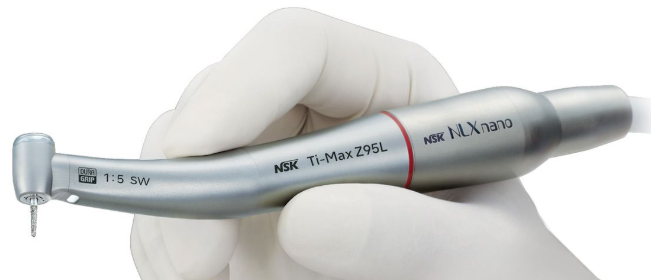
Traditional high speed handpieces are often air-turbine driven, which are lightweight and high-speed but limited in torque stability, durability, and noise control. Recently, electric handpieces with brushless DC motors have emerged, providing more stable torque, lower failure rates, and precise speed control. Electric drive systems maintain high RPM while improving cutting efficiency, reducing overheating, and offering better control for torque-sensitive restorative procedures. Many manufacturers now provide integrated electric heads compatible with standard micromotors, aiming to reduce maintenance frequency and extend service life. While the initial investment is higher, the long-term benefits—lower repair rates and enhanced operational experience—make electric handpieces a smart choice for high-end clinics.
Procurement Tip: When evaluating electric systems, consider torque rating, heat dissipation, compatibility with handpiece interfaces, and manufacturer-provided maintenance and warranty options.
2. Fiber-optic / LED Lighting & Miniaturized Heads
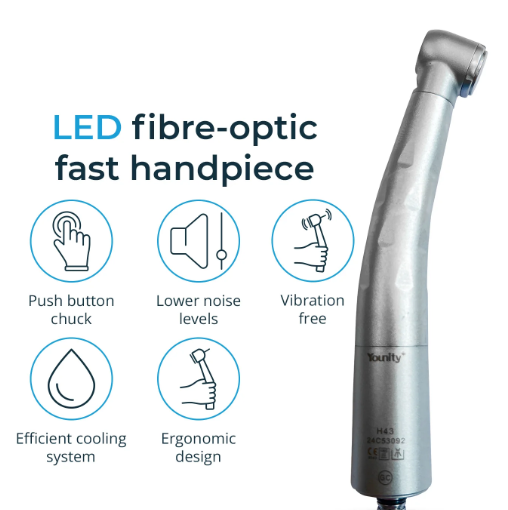
With growing demands for precision and visibility, built-in fiber-optic or LED illumination is becoming standard. Unlike external lighting, fiber-optic or LED lights directly illuminate the working area, reducing shadows and improving visibility for microscopic procedures. Simultaneously, handpiece heads are being miniaturized to improve access, especially to posterior teeth, reduce hand fatigue, and enhance patient comfort. Improved spray systems (e.g., triple water spray) maintain cooling while minimizing visual obstruction. For advanced restorative or microsurgery procedures, optical integration is critical for clinical precision.
Procurement Tip: Check fiber-optic connector types (e.g., 4/6/LED pin standards) and ensure compatibility with your dental unit or control system.
3. Anti-Retraction Systems & Sterilization Advances
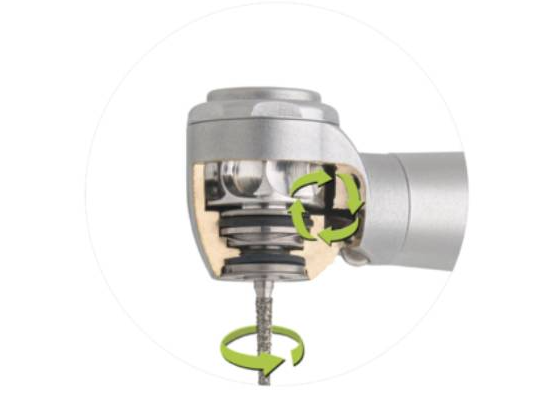
Infection control remains a top priority in procurement. Studies have shown that dental handpieces can draw oral fluids back into the device and water/air lines when stopped or disconnected, posing cross-contamination risks. High speed handpieces with anti-retraction valves significantly reduce this backflow risk, enhancing patient safety—especially in immunocompromised patients or post-pandemic scenarios. Guidelines from the CDC and dental associations recommend following manufacturer sterilization protocols and using anti-retraction devices as part of comprehensive infection control.
Procurement Tip: Request anti-retraction test data and autoclave guidelines from manufacturers, and ensure staff are trained to follow proper sterilization procedures.
4. Smart Sensors, IoT, & Predictive Maintenance
Maintenance of dental handpieces has traditionally been based on routine checks or experience, which can lead to unexpected downtime. From 2023 to 2025, more handpieces have incorporated sensors monitoring RPM, temperature, vibration, and usage hours, with IoT connectivity to cloud platforms. AI-driven analysis enables predictive maintenance, identifying worn bearings, speed anomalies, or lubrication issues before failure occurs. This reduces unplanned downtime and extends service life. For manufacturers, sensor-equipped devices create opportunities for value-added services like maintenance subscriptions, rental models, or usage-based billing, while providing measurable usage records for large clients.
Procurement Tip: When considering smart handpieces, evaluate data privacy (who can access the data), interface compatibility, and ongoing service costs (cloud subscription or maintenance fees).
5. Advanced Materials & Sustainable Design
Advances in materials science have led to lighter, more wear-resistant, and corrosion-resistant handpieces. Ceramic bearings, improved alloys, and high-temperature coatings reduce maintenance and extend lifespan. Sustainability in manufacturing and packaging has also become a procurement consideration—reduced single-use plastics, recyclable materials, and efficient energy use in production are increasingly important. For large-scale purchasers or clinic chains, transparency in sustainability, life cycle assessment (LCA), and device longevity is becoming a key factor in supplier selection.
Procurement Tip: Request material datasheets and sustainability statements (environmental certifications, recyclability) and consider total cost of ownership (TCO) in procurement decisions.
Adoption Challenges
Cost and ROI: High-end electric and smart handpieces have higher upfront costs, which may be challenging for smaller clinics.
Compatibility: Electric drive systems and fiber-optic connectors vary across brands, limiting interchangeability.
Maintenance & Training: Advanced devices require adherence to sterilization protocols and staff training.
Data & Privacy: IoT devices generate valuable data but introduce responsibility for data security and privacy.
Regulations & Standards: Different countries have varying regulations on sterilization, anti-retraction, and medical device registration; international procurement requires careful compliance.
Recommendations for Manufacturers and Distributors
Modular Design: Offer options such as electric vs. air turbine, LED vs. non-LED, and sensor-equipped vs. standard to cater to different clinic budgets.
Service-Oriented Business Models: Develop subscription, rental, or usage-based solutions to reduce initial procurement barriers.
Standardized Interfaces: Promote industry-standard connectors and interchangeability to reduce client switching costs.
Transparent Compliance Documentation: Provide clear sterilization, anti-retraction, and material documentation to facilitate procurement approval.
Conclusion (Author’s Viewpoint)
The innovations in dental high speed handpieces for 2025 are not the result of a single technology but of multiple improvements working together to enhance overall clinical performance—from operability and infection control to lifecycle cost and service models. For hospitals, dental chains, distributors, and high-end clinics, prioritizing electric, anti-retraction, and maintainable devices is a competitive advantage. For smaller clinics, focusing on ROI and flexible service options lowers procurement barriers. Manufacturers should strategically invest in sensors and cloud services to capture high-margin after-sales opportunities.