Among dental treatment equipment, dental chairs are one of the core equipment, and their prices range from thousands of USD to hundreds of thousands of USD. The huge price difference confuses many dentists. Why are the prices of chairs with seemingly similar functions so different? In fact, there is a complex cost logic hidden behind the pricing of dental chairs. Every link from technology research and development to market circulation may become a key driver of price differences. The following six factors together constitute the core code of the dental chair price system.
1. Brand accumulation and technological barriers
The brand’s technological accumulation and R&D investment are the primary factors that widen the price gap. International high-end brands such as Germany’s KaVo and Japan’s NSK have built insurmountable barriers with their century-old technological accumulation. These brands invest more than 15% of their sales in R&D each year, and the optimization of the optical parameters of the oral lighting system alone may cost millions in R&D costs. The smart induction dental chair it launched can automatically adjust the chair angle through a pressure sensor, with an error control within 0.5 degrees. This accuracy is supported by thousands of mechanical test data.
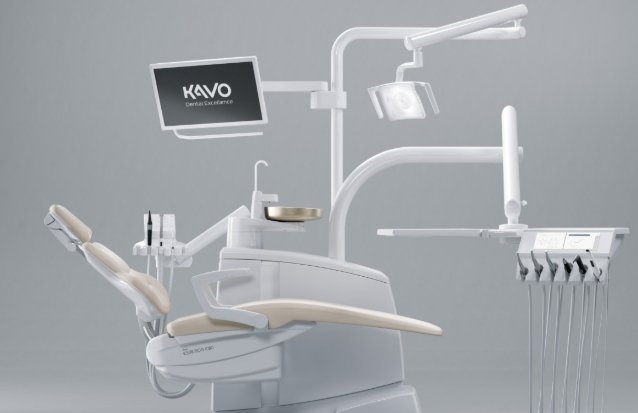
In contrast, emerging brands often use mature solutions for assembly and production, and their R&D investment is less than 3% of sales. The result of the lack of core technology is that they lag behind in key indicators such as motor response speed and hydraulic system stability. The lifting response delay of a domestic basic dental chair is about 1.2 seconds, while the imported high-end model only takes 0.3 seconds. This difference in operating experience is directly converted into a price gap – the flagship models of international first-line brands are generally priced at more than 20 thousand USD, while the entry-level models with simplified technology may only cost 3000 USD
2. Dimensional differences in functional configuration
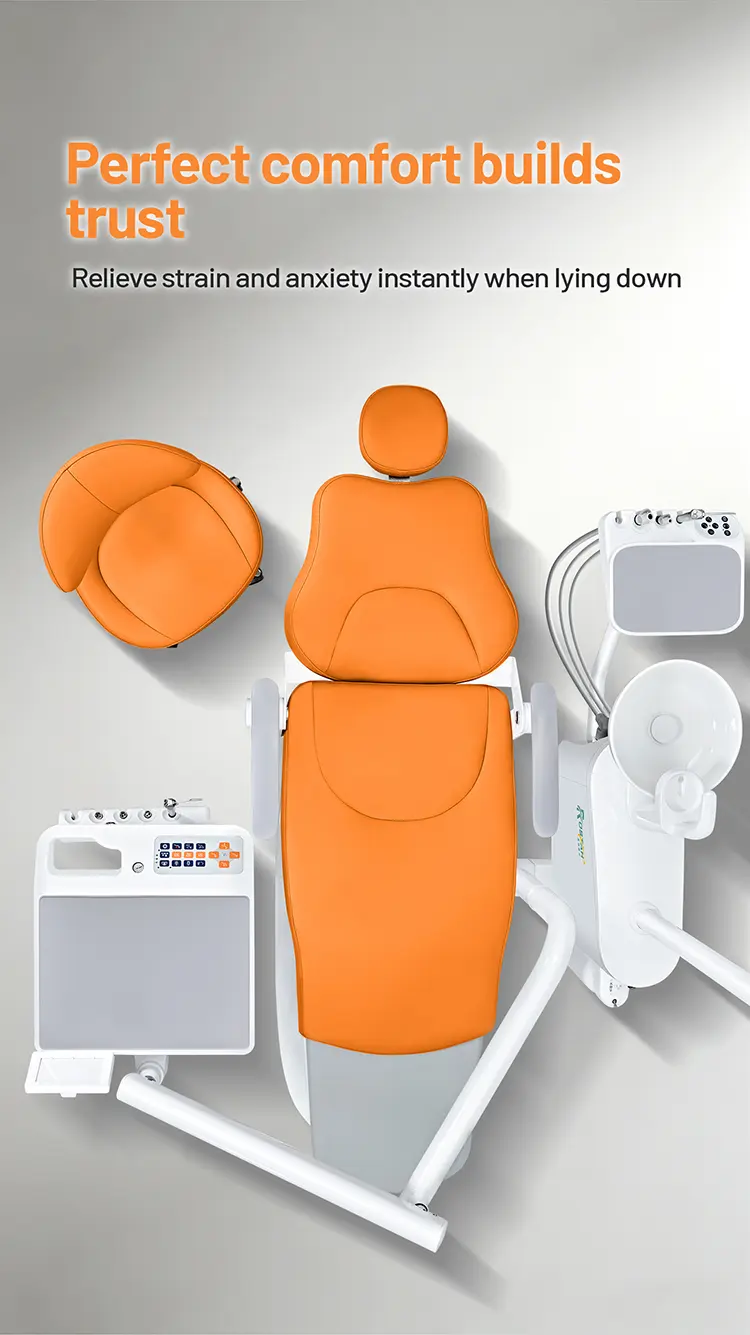
The functional configuration of a dental chair is like the hardware parameters of a mobile phone, which directly determines its market positioning. The basic dental chair only meets the minimum requirement of “being able to sit and lie down”, is equipped with a manual hydraulic pump to control the lifting, and the chair position adjustment relies on a mechanical handle. The manufacturing cost of such products can be compressed to less than 1000 USD
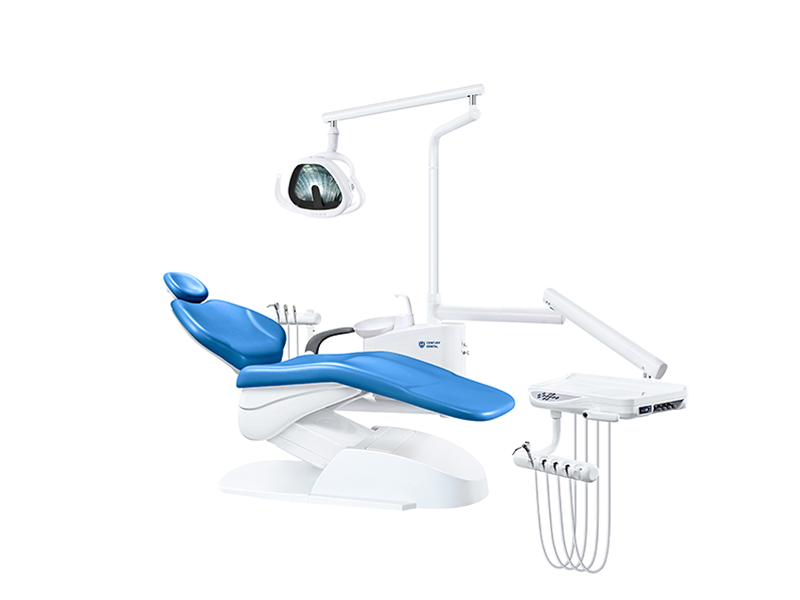
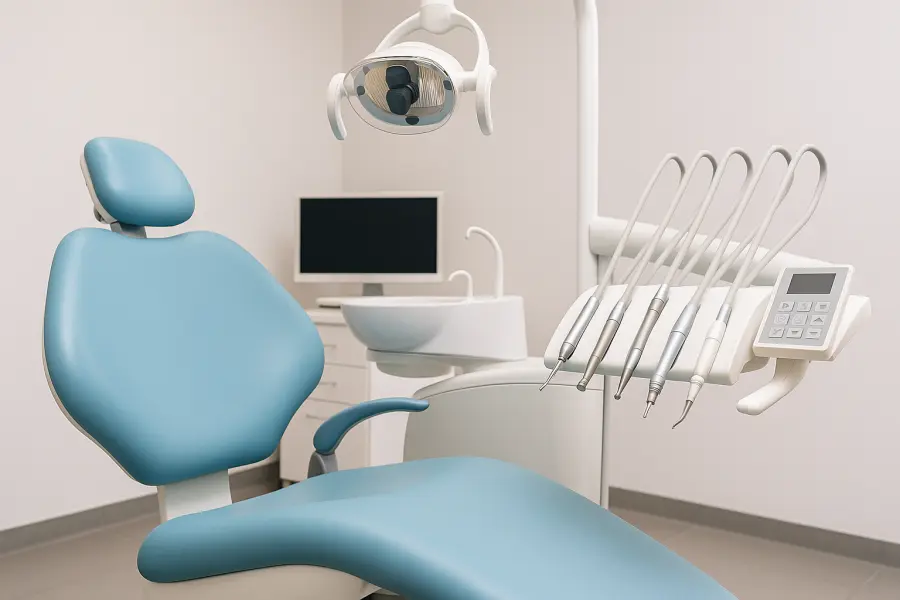
Mid-range models have begun to introduce electric control systems, add three-joint rotating dental handpiece holders, LED surgical lights and other configurations, and some models are equipped with integrated interfaces for dental scalers, with prices rising to 1000-3000 USD.
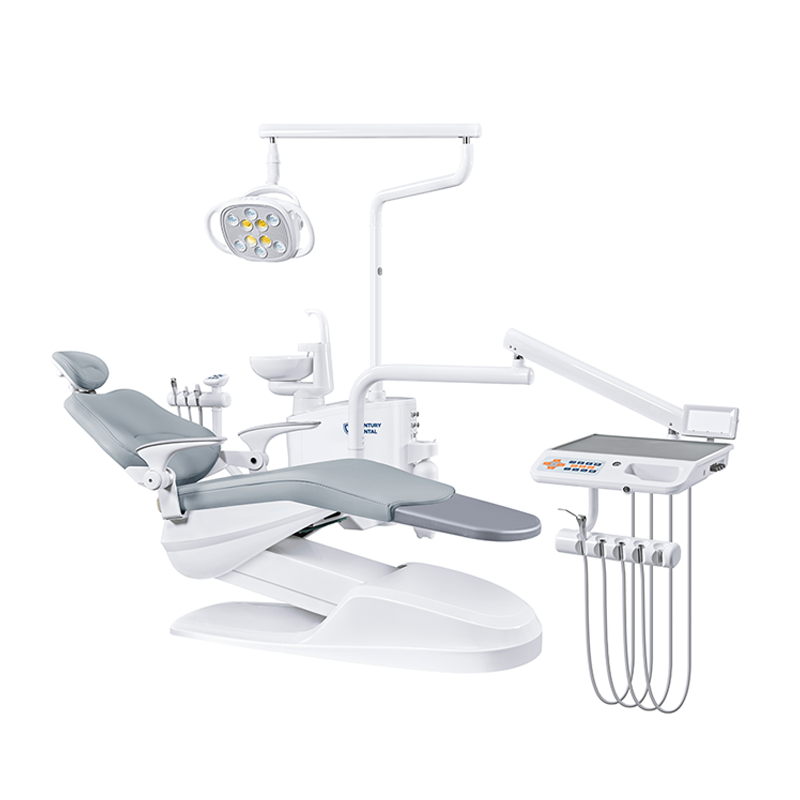
High-end models have entered the “smart era”: equipped with a 10.1-inch touch screen to achieve programmed chair position memory, a built-in patient weight sensing system to automatically adjust the operating resistance, and a 4K endoscopic camera system to achieve visualization of diagnosis and treatment, and even have the Internet of Things function to remotely diagnose equipment failures. A certain brand’s digital diagnosis and treatment kit contains 16 preset treatment modes, priced at up to 8000 USD, and its functional complexity is close to that of a small diagnosis and treatment workstation.
3. The cost gap of material technology
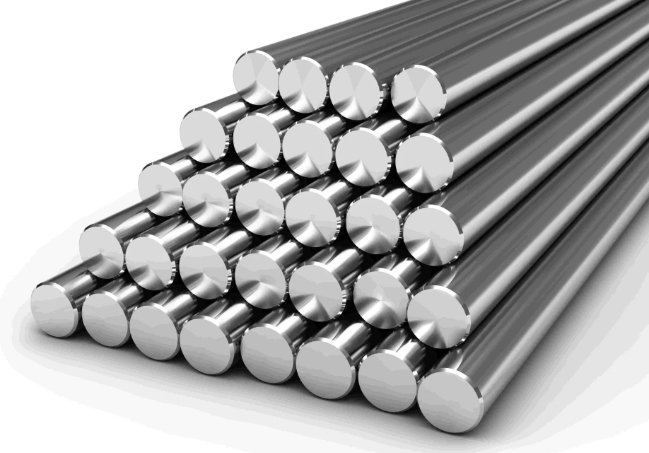
Material selection is the physical basis for the price difference of dental chairs. The material cost of the chair frame is very different: low-end products use Q235 carbon steel, costing about 40USD/meter; while high-end models use 316L stainless steel, with corrosion resistance increased by more than 5 times, costing 170USD/meter.
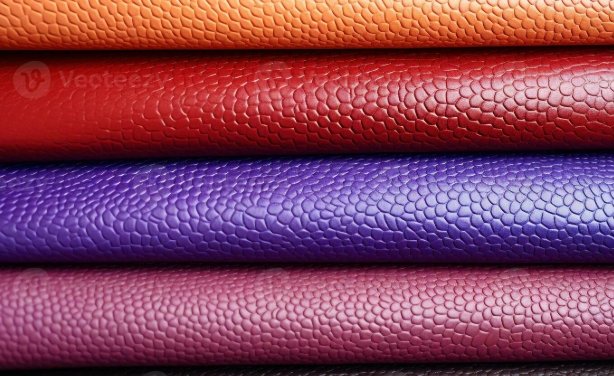
The seat fabric also has hidden secrets. The purchase price of ordinary PVC artificial leather is about 10USA/meter, while the medical-grade antibacterial PU leather costs 50USD/meter. Its FDA-certified antibacterial coating can inhibit 99.9% of Staphylococcus aureus and can withstand more than 5,000 disinfection times.
The process precision is reflected in the details: the hydraulic rod seals of high-end dental chairs use aviation-grade fluororubber to ensure no leakage after 100,000 lifts; while economical products use nitrile rubber, which may leak oil after 30,000 times in a frequent disinfection environment. The assembly workshop of a German brand implements the “micron-level” tolerance standard, and the clearance of each rotating joint is controlled within 0.02mm. This process requirement extends the assembly time of a single machine from 4 hours for ordinary models to 12 hours, directly pushing up production costs.
4. Marginal effect of production scale
The cost dilution effect brought about by large-scale production significantly affects pricing. Leading enterprises with an annual output of more than 100,000 units can reduce the cost of core components by more than 30% through centralized procurement. For example, the bulk purchase price of the same model of DC motor can be 40% lower than that of small factories’ scattered purchases.
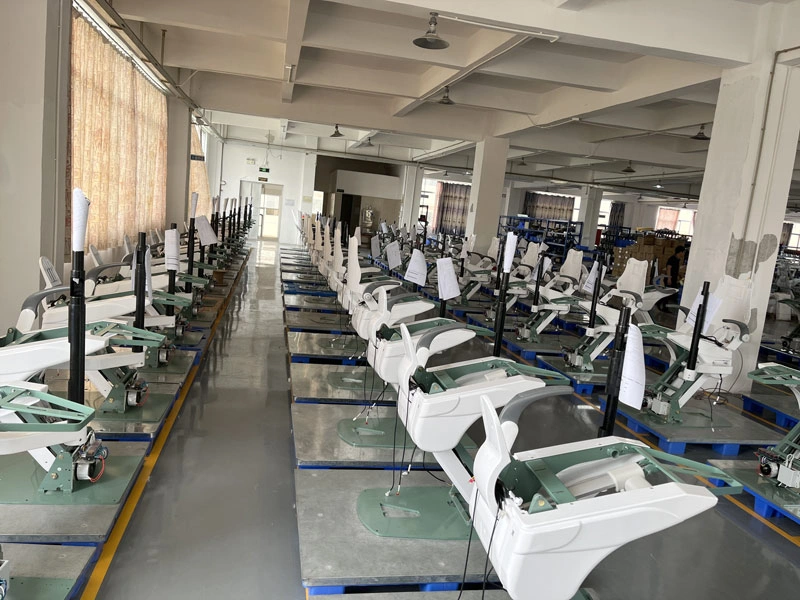
However, niche brands or customized models face scale disadvantages: a European brand focusing on the high-end market has an annual output of only 800 units, and its hand-sewn leather seats need to be completed by craftsmen alone. The labor cost of each seat is 120 euros, which makes its basic model priced at 120,000 euros. The difference in production scale is ultimately reflected in: the unit manufacturing cost of mass-produced models can be controlled within 35% of the selling price, while the cost of customized products may exceed 60%.
5. Channel costs of market circulation
The circulation link of dental chairs from factories to clinics will generate considerable additional costs. Under the first-level agent model, imported brands need to be distributed through three levels of overseas general agents, Chinese agents, and regional distributors. Each layer of channels adds 15%-20%, and the final retail price may be more than 60% higher than the ex-factory price.
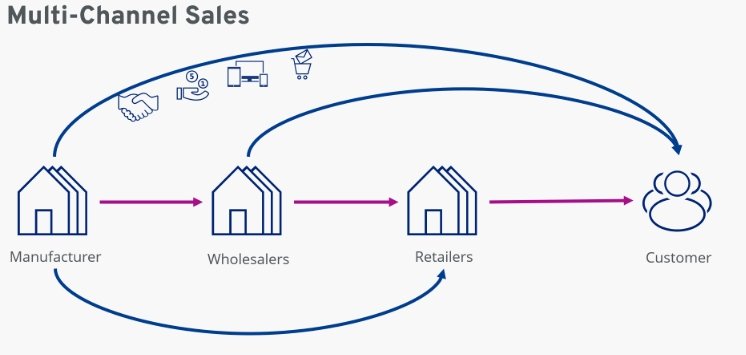
In contrast, the flat channels of domestic manufacturers have a greater price advantage: through the factory direct supply model, the middle link is omitted, and the price of dental chairs with the same configuration can be 25% lower. The rise of e-commerce channels has further reshaped the price system. The online direct sales price of a domestic head brand is 18% lower than the offline agency price, but the buyer needs to bear the installation and debugging costs by himself, which also forms a “price-service” substitution relationship.
6. The hidden value of after-sales service
After-sales service is like the “lifetime insurance” of dental chairs, and its quality is directly reflected in the pricing. High-end brands promise a 5-year warranty for the whole machine, equipped with a 2-hour response and 24-hour on-site maintenance team, and set up 30 spare parts warehouses across the country. The construction cost of this service network accounts for about 15% of the selling price.

Low-priced products often only provide a 1-year warranty, and customers need to send parts for maintenance by themselves. The single door-to-door service fee may be as high as 500USD. According to calculations by an institution, the average maintenance cost of a high-end dental chair worth 15,000 USD in a 10-year use cycle is about 1000 USD while an economical dental chair worth 5000 USD may incur a maintenance cost of 1500 USD. This phenomenon of “buying cheap but using expensively” makes after-sales service a key factor affecting long-term costs.
The price difference of dental chairs is essentially a comprehensive reflection of “technical content + use value + service guarantee”. For small clinics, mid-range models with practical functions may be the most cost-effective choice; while large dental hospitals often need to invest in high-end equipment to meet complex diagnosis and treatment needs. Only by understanding these pricing logics can we find the best balance between cost control and diagnosis and treatment quality.