Introduce
In modern dentistry, the dental chair is not merely a piece of furniture; it is a vital tool that directly affects both patient comfort and clinical efficiency. Understanding the appropriate dental chair positions for various procedures is essential for dentists, hygienists, and dental assistants. This article will explore how dental chair positioning varies depending on the dental procedure and why these adjustments are critical for optimal outcomes.
Author’s opinion: Correct dental chair positioning not only improves patient comfort but also significantly enhances the efficiency of the dentist’s procedures.
1. Understanding the Basics of Dental Chair Positioning
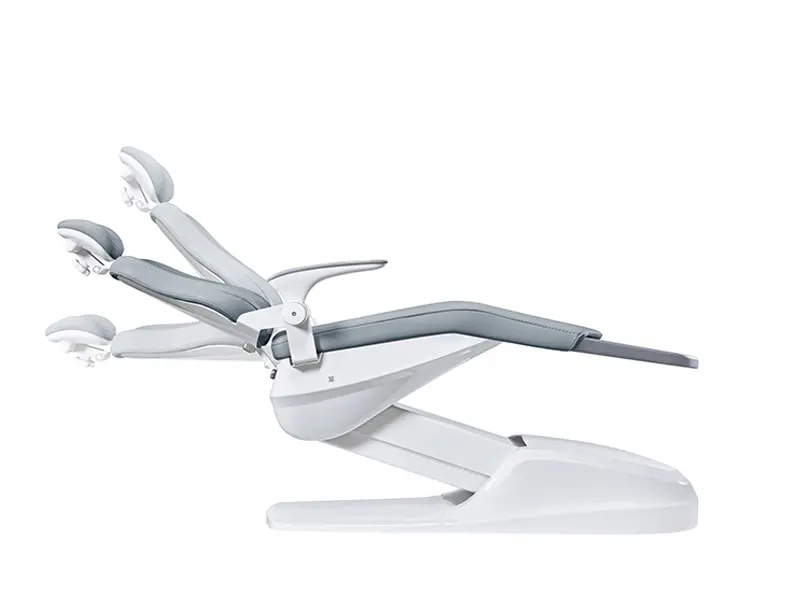
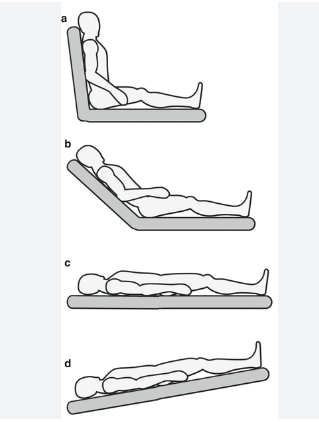
Dental chair positioning involves adjusting the chair’s height, backrest angle, and tilt to suit the procedure being performed. The main positions include supine (fully reclined), semi-supine, upright, and Trendelenburg (head-down tilt). Each position is designed to balance patient comfort, accessibility for the dentist, and ergonomics.
Author’s opinion: Before the actual operation, doctors and assistants should be familiar with various chair positions in order to flexibly respond to different patients and surgical needs.
2. Dental Chair Position for Routine Examinations
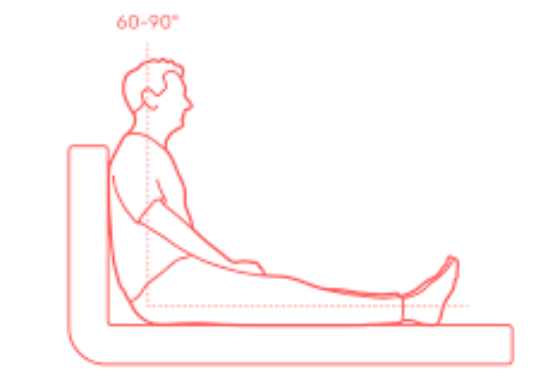
For routine dental check-ups, cleanings, or basic inspections, the semi-supine position is often preferred. This position reclines the patient at approximately a 45-degree angle, allowing dentists a clear view of the oral cavity while keeping the patient relaxed. For patients with neck or back issues, slightly more upright positioning may be needed.
Author’s opinion: I suggest adjusting the chair back angle flexibly according to the patient’s body type during routine examinations to avoid discomfort. While adjusting the angle, you can ask the patient if they are in a comfortable position.
3. Chair Position for Restorative Procedures
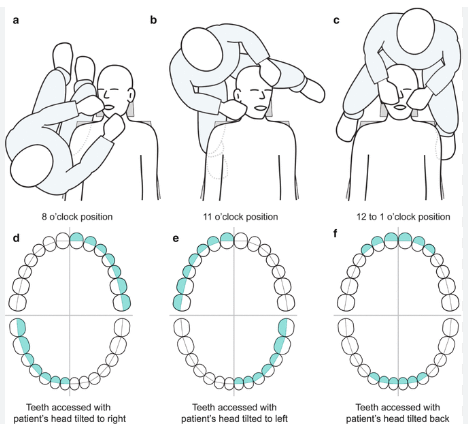
Restorative procedures such as fillings, crowns, and veneers require excellent visibility and precision. The supine position, where the patient is almost fully reclined, is generally ideal. This position allows optimal lighting, reduces jaw strain for the dentist, and gives unobstructed access to all quadrants of the mouth.
Author’s opinion: For delicate procedures, try to keep the patient completely relaxed, reduce unexpected movements, and improve the quality of the procedure.
4. Endodontic Procedures and Dental Chair Position
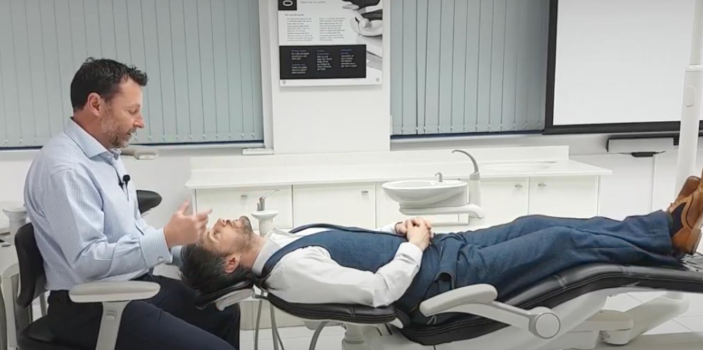
Root canal treatments or other endodontic procedures often require prolonged focus and access to posterior teeth. The supine position is commonly used, sometimes with the patient’s head slightly tilted to one side for better access. Adjusting chair height to the dentist’s elbow level ensures ergonomic posture during long procedures.
Author’s opinion: For time-consuming surgeries, maintaining the doctor’s comfort is just as important as the patient’s stability; otherwise, the precision of the procedure may decrease.
5. Oral Surgery and Extraction Procedures
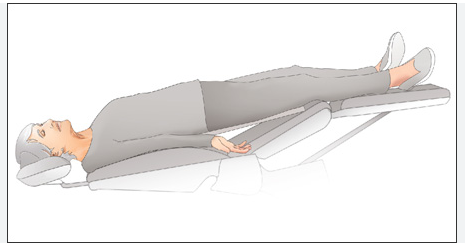
Extractions, implant placements, and other oral surgeries often benefit from the Trendelenburg position, where the head is slightly lower than the feet. This position can reduce bleeding visibility, improve access, and sometimes help with patient blood pressure regulation. However, it should be used cautiously with elderly patients or those with cardiovascular issues.
Author’s opinion: Before surgery, an assessment should be made based on the patient’s health condition to determine whether a head-down, feet-up chair position is suitable to ensure safety.
6. Pediatric Dentistry Chair Positions
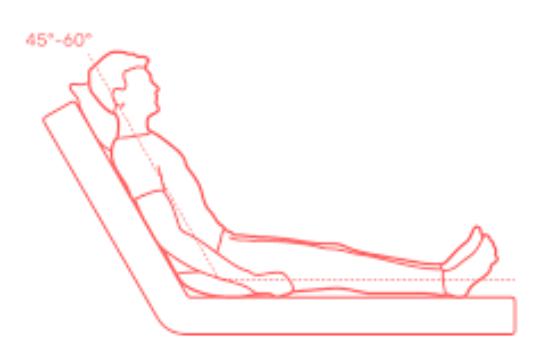
Children have different anatomical proportions and behavioral considerations. A semi-upright or slightly reclined position is generally preferable, as it allows children to feel less intimidated while providing sufficient access for the dentist. Adjustable headrests and arm supports can also enhance comfort and cooperation.
Author’s opinion: For pediatric patients, psychological comfort and ease of operation should be taken into account, and the fear caused by lying completely flat should be avoided.
7. Special Needs Patients
Patients with disabilities, limited mobility, or certain medical conditions require customized chair positioning. Upright or semi-supine positions are often safer, and additional supports such as cushions or straps may be necessary. Always communicate with the patient to ensure comfort and reduce anxiety.
Author’s opinion: Personalized chair positioning is key to ensuring the safety and smooth treatment of special patients.
8. Pediatric vs Adult Chair Positioning: Key Differences
While adults can generally tolerate full recline positions, pediatric patients may need partial recline or upright positioning to reduce anxiety. Similarly, ergonomics for the dentist differ; pediatric positioning may require a higher chair or use of step stools. These adjustments improve visibility without compromising posture.
Author’s view: Understanding the needs of patients of different ages is a fundamental principle for optimizing dental chair procedures.
9. Ergonomics for Dentists and Assistants
No matter the procedure, chair positioning must prioritize the dental team’s ergonomics. The dentist’s eyes should be level with the oral cavity, elbows at 90 degrees, and shoulders relaxed. Proper chair positioning prevents musculoskeletal disorders and reduces fatigue during long treatments.
Author’s opinion: Regularly assessing one’s own working posture is more effective in improving work efficiency in the long run than simply focusing on patient comfort.
10. Technology-Enhanced Dental Chairs
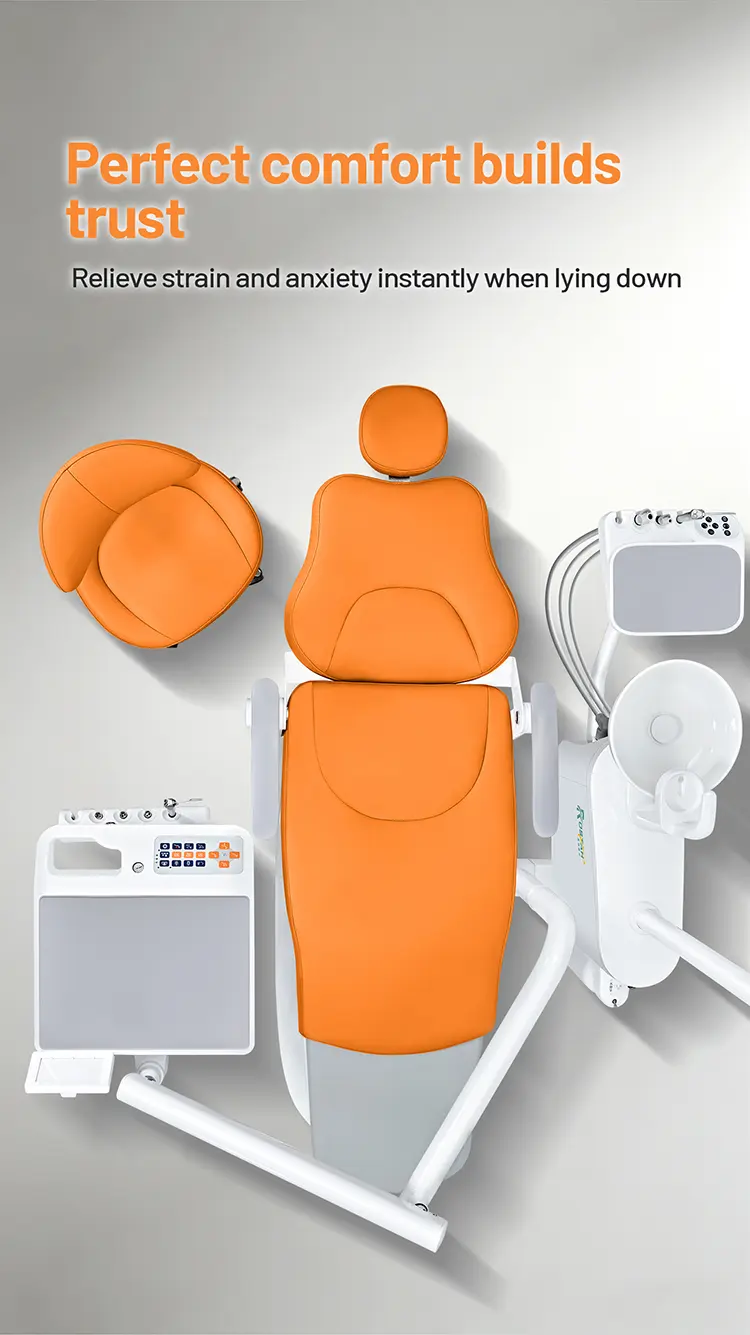
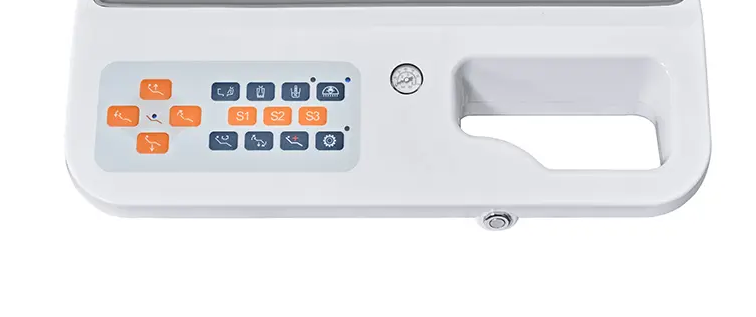
Modern dental chairs come with motorized adjustments, memory settings, and programmable positions for different procedures. These features reduce setup time and ensure consistent positioning, benefiting both patients and clinicians. Integration with dental lights and instrument trays further streamlines workflow.
Author’s opinion: Utilizing smart dental chairs can significantly improve treatment efficiency and patient experience. CENTURYDENT C300 is a dental chair with position memory function.
FAQ
Q1: Can a dental chair position affect treatment outcome?
A: Yes, improper positioning can limit visibility and access, potentially compromising precision. Proper positioning enhances both treatment quality and patient comfort.
Q2: How often should chair positions be adjusted during a procedure?
A: It depends on the procedure and patient comfort. Continuous minor adjustments are common, especially during long treatments.
Q3: Are there risks with the Trendelenburg position?
A: Yes, especially for elderly patients or those with cardiovascular or respiratory issues. Always evaluate patient health before using this position.
Q4: Can pediatric patients tolerate supine positions?
A: Some can, but partial recline or semi-upright is often more suitable to reduce fear and anxiety.
Q5: How important is ergonomics for dentists?
A: Extremely important. Poor ergonomics can lead to chronic pain, fatigue, and decreased precision over time.