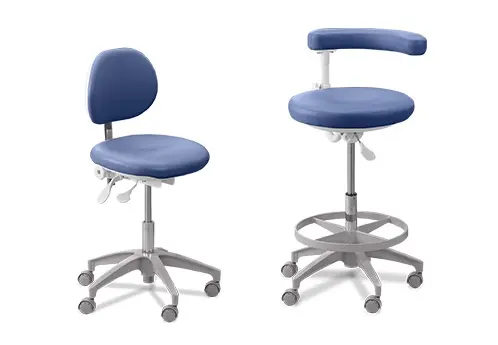
When it comes to set up a dental clinic for efficiency, comfort, and hygiene, the dental assistant chair is often overlooked compared to the dental chair. However, a high-quality dental assistant chair plays a critical role in maintaining workflow, reducing physical strain on staff, and ensuring seamless cooperation during procedures. Investing in a well-designed assistant chair is not just a matter of comfort—it’s an operational advantage.
In this article, we’ll explore the top 5 features to look for in a modern dental assistant chair, helping you make an informed decision for your dental practice.
1. Ergonomic Design for Long-Term Comfort
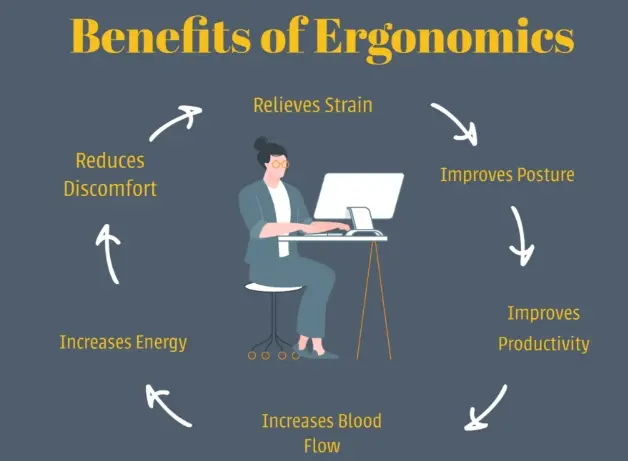
Dental assistants spend hours seated, often in static positions that can strain the back, shoulders, and legs. That’s why ergonomic design is the number one priority.
A good dental assistant chair should include:
Ergonimic seat and backrest to support spinal alignment
Adjustable seat depth and height
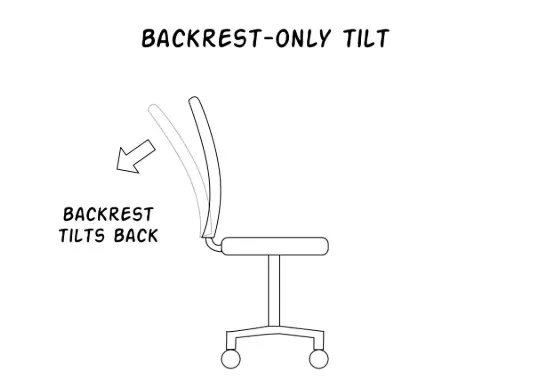
Lumbar support or back tilt options
Look for chairs that follow ergonomic standards and allow multiple adjustments to suit different body types. The better the support, the less chance of musculoskeletal disorders, improving staff retention and reducing sick days.
2. Adjustability and Mobility
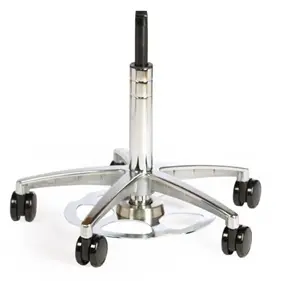
Mobility is crucial for a dental assistant who needs to move quickly between the operatory, cabinetry, and equipment. Chairs with 360-degree swivel and smooth-rolling casters allow fluid movement without putting strain on the body.
Key adjustability features include:
Pneumatic seat height adjustment
Tilting backrest
Rotating seat
Foot-operated height control (ideal for maintaining hygiene)
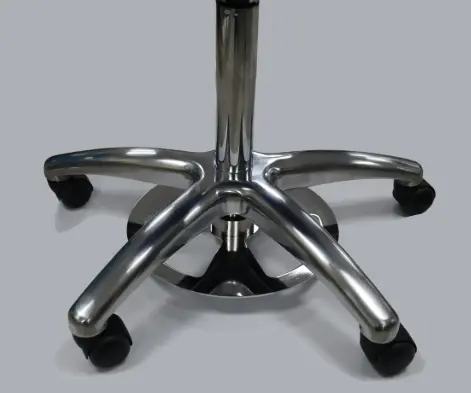
High mobility combined with precise adjustability enhances the assistant’s responsiveness and cooperation with the dentist, especially in four-handed dentistry setups.
3. Durable, Easy-to-Clean Upholstery
In a clinical setting, cleanliness is non-negotiable. Dental assistant chairs should feature upholstery that is both durable and resistant to chemicals and disinfectants. Look for seamless or sealed designs to prevent fluid absorption and microbial growth.
Preferred upholstery materials include:
Medical-grade vinyl
PU (polyurethane) seamless cushions
Also, choose materials that resist staining and can withstand frequent cleaning with alcohol-based disinfectants without cracking or fading. Some high-end chairs also offer antimicrobial coatings for an extra layer of protection.
4. Compact and Space-Efficient Footprint
Dental operatory spaces can be crowded with cabinetry, patient chairs, and equipment. A bulky assistant chair can obstruct movement and make workflows inefficient.
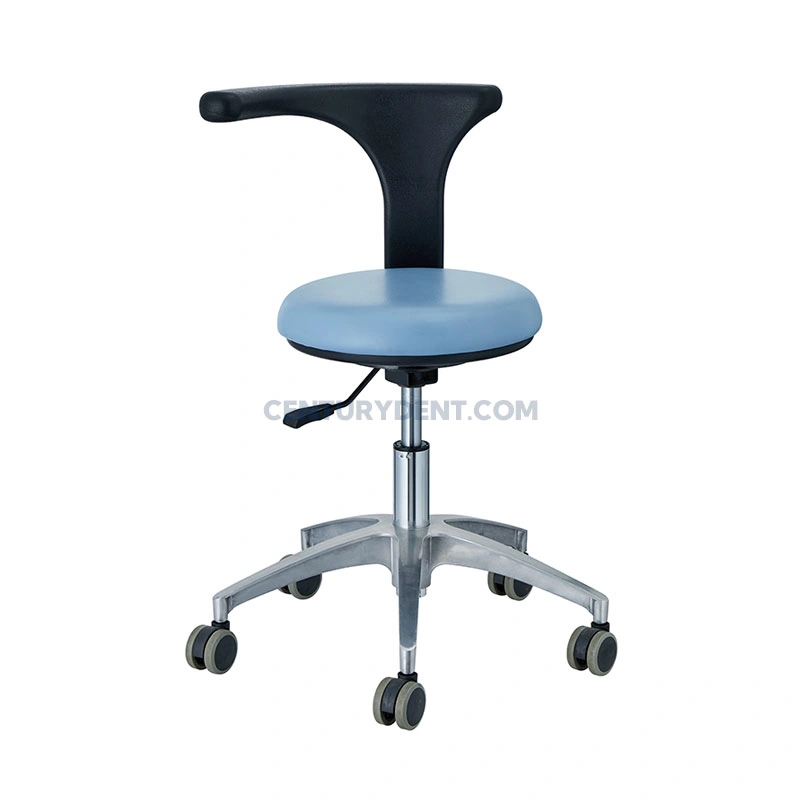
A modern dental assistant chair should have:
A compact base design
No protruding levers or wide backrests
Nesting capability under countertops or carts when not in use
The ability to glide into tight spaces without interfering with the operatory’s layout makes a chair far more functional in small clinics.
5. Sturdy Build and Long-Term Warranty
A dental assistant chair is a long-term investment. You want a unit that can endure daily use in a busy clinic for years without squeaking, wobbling, or mechanical failure.
Consider:
Base material (aluminum alloy preferred over plastic)
Weight capacity (should support up to 250 lbs or more)
Warranty (minimum 2-3 years)
Manufacturer reputation and after-sales support
A solidly built chair not only offers better performance but also enhances the professional image of your clinic.
Bonus Tip: Match Aesthetic and Brand Cohesion
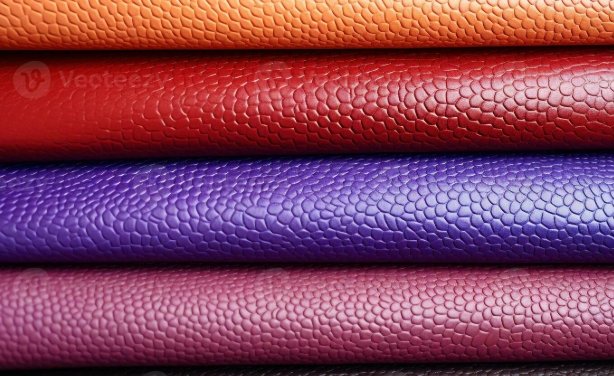
While function comes first, aesthetic harmony also matters. Choose a chair that matches the color scheme and design of your clinic. Many manufacturers offer customizable upholstery colors and stitching to help your operatory maintain a cohesive, professional look.
CenturyDent can offer more 20 colors for choice. If you need special color, we can customize it for you.
More details: https://rostarmedical.com/en/dental-stool/
Final Thoughts
The dental assistant chair may be a secondary unit in the dental operatory, but its impact on clinical efficiency, ergonomics, and team coordination is primary. By focusing on these top 5 features—ergonomics, adjustability, hygiene-friendly materials, space efficiency, and durability—you can significantly enhance the day-to-day performance of your dental team.
Whether you’re upgrading existing equipment or setting up a new clinic, don’t underestimate the role of the dental assistant chair. A small investment in the right features can yield long-term returns in productivity, staff well-being, and patient satisfaction.