Introduce
In modern dentistry, compressed air is the invisible force that drives nearly every dental procedure. From powering high-speed handpieces to operating 3-way syringes, a stable and clean air supply is essential for both performance and safety. As dental clinics around the world raise their hygiene standards and comply with stricter medical regulations, one technology has emerged as an international standard: the oil-free dental air compressor.
Although oil-lubricated compressors were once common, global buyers, distributors, and regulatory agencies now prefer oil-free systems—especially for medical and dental environments. This shift is driven by a combination of hygiene requirements, performance expectations, long-term cost savings, and compatibility with modern dental chairs.
This article explains why an oil-free compressor is essential for dental chairs in today’s international markets, and how global buyers can evaluate the right compressor for their clinics or distribution channels.
1. The Critical Role of Compressed Air in Dental Treatment
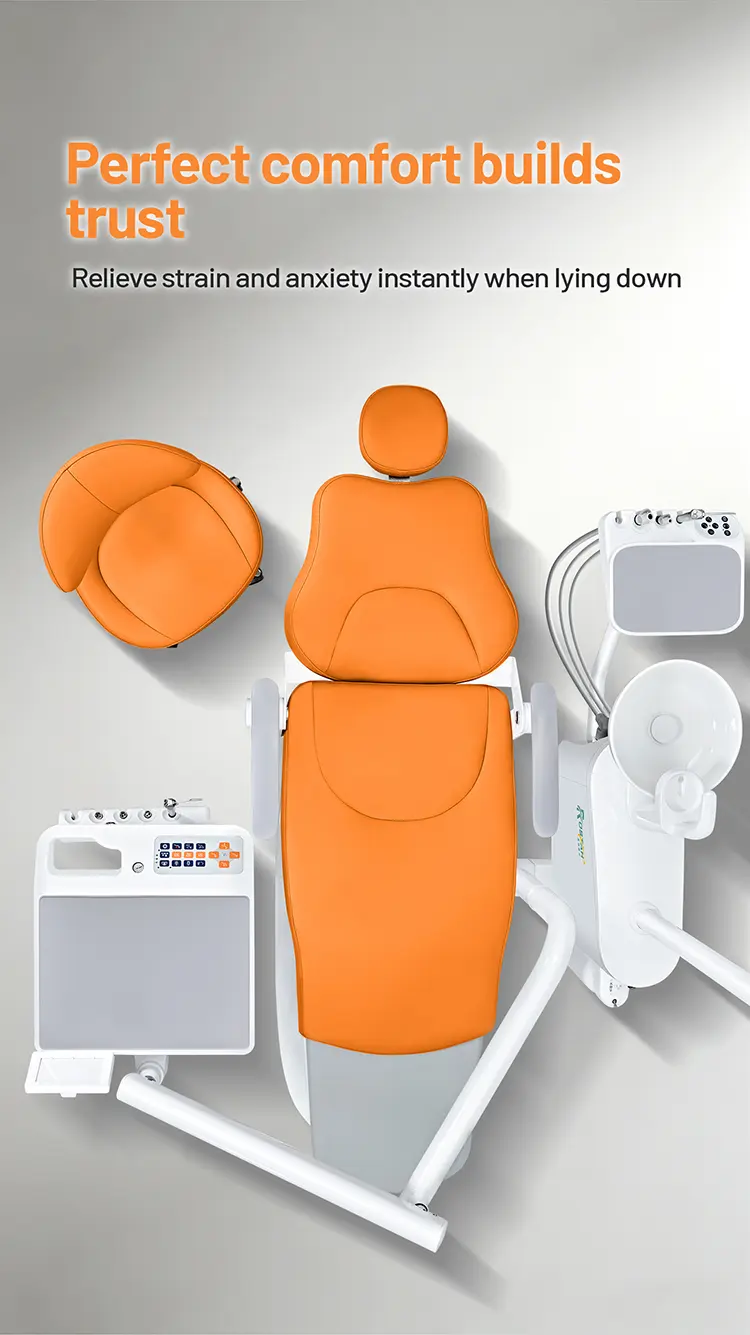
A dental chair is not just a seat—it is an integrated treatment workstation. Its performance depends heavily on the quality and stability of compressed air. The compressor powers:
High-speed handpieces
Low-speed handpieces
Air-water syringes
Suction systems (in some units)
Pneumatic valves and control systems
When the air supply contains oil, moisture, or contaminants, several issues arise:
Handpiece performance declines (reduced speed and torque)
Internal tubing can become blocked or corroded
Dental unit valves fail prematurely
Contaminants can reach the patient’s mouth
Treatment becomes inconsistent or unsafe
For these reasons, dental clinics worldwide recognize the importance of medical-grade compressed air. Clean, dry, oil-free air ensures high-quality treatment, protects equipment, and supports a hygienic clinical environment.
2. What Makes Oil-Free Compressors Different?
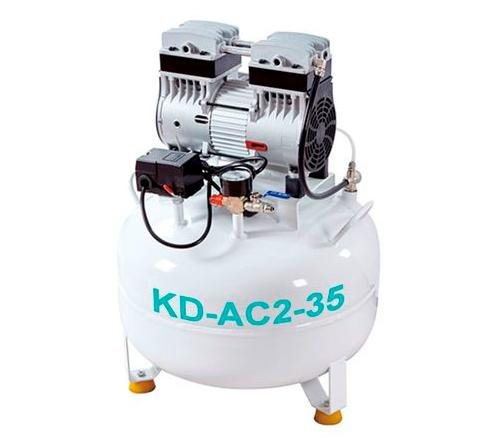
Oil-free compressors use special materials, coatings, and dry lubrication systems to generate clean air without requiring oil inside the compression chamber. This design creates several advantages over oil-lubricated models:
Cleaner, contamination-free air
Oil-free compressors meet high air purity standards such as ISO 8573-1, making them suitable for medical and dental applications.
Less maintenance
No need for oil replacement or monitoring oil levels. Fewer moving parts and less internal contamination reduce service frequency.
Stable performance
Oil residue tends to accumulate in pneumatic systems, reducing air pressure and causing performance fluctuations. Oil-free technology provides consistent output for precision dentistry.
Suitable for sterile environments
International clinics must meet strict hygiene and infection-control requirements. Oil-contaminated air is unacceptable in most countries’ medical facilities.
For these reasons, oil-free has become the global default choice for dental chairs.
3. Global Regulatory Requirements Driving the Shift to Oil-Free
International markets have increasingly strict medical regulations. Many countries now require or strongly recommend oil-free compressors for dental clinics.
European Union (CE & MDR requirements)
EU regulators focus heavily on preventing contamination in medical devices. Oil-free compressors help clinics meet:
CE hygiene standards
MDR (Medical Device Regulation) requirements
Air quality and infection control guidelines
United States (FDA & OSHA guidelines)
U.S. clinics must ensure clean compressed air for medical use. Oil aerosols or moisture in dental tubing can violate workplace safety and treatment quality standards.
Middle East & GCC countries
Saudi Arabia, UAE, Qatar, and Kuwait often require oil-free compressors for medical equipment imports. Tender projects typically specify oil-free models.
Africa & Latin America
These regions are rapidly modernizing dental facilities. Clinics prefer oil-free because:
Maintenance is easier
Equipment lifespan is longer
Air quality is more predictable
For distributors, selling oil-free compressors eliminates compliance risks and increases product acceptance in global markets.
4. Hygiene, Patient Safety, and Cross-Infection Prevention
Dental clinics are high-contact environments, and infection control is one of the most important competitive factors in the market. Oil-based compressors introduce several hygiene risks:
Oil molecules can enter handpieces
Oil inside tubing can trap moisture and bacteria
Oil contamination can reach the patient’s mouth
Surgical procedures require 100% clean air
Oil-free compressors, on the other hand:
Produce clean, dry, medical-grade air
Minimize bacterial growth inside tubing
Reduce the risk of cross-infection
Meet global hygiene expectations for modern clinics
This is especially important for dental hospitals, government projects, and premium private clinics.
5. Technical Advantages of Oil-Free Compressors for Dental Chairs
Beyond hygiene, oil-free compressors offer superior technical performance that directly impacts the daily operation of a clinic.
5.1. Stable, consistent air pressure
Pressure drops can damage dental chair valves and reduce the speed of handpieces. Oil-free compressors maintain stable PSI/Bar output for smooth treatment.
5.2. No oil changes, lower maintenance costs
Oil-based compressors require routine oil replacement, which adds cost and downtime. Oil-free systems greatly reduce maintenance.
5.3. Longer lifespan of dental equipment
Oil mist can corrode or block the internal tubing of a dental chair. Oil-free compressors protect:
Handpiece turbines
Control valves
Air-water syringes
Pipelines and connectors
5.4. Low-noise operation
Modern oil-free compressors use quiet motors and soundproofing technology. Many operate between 40–60 dB, which improves:
Patient comfort
Doctor concentration
Clinic brand image
International buyers often prioritize low noise levels when purchasing compressors for premium clinics.
6. Lower Total Cost of Ownership (TCO)
Although an oil-free compressor may have a higher upfront price, it is far cheaper in the long term. Reasons include:
No oil purchase or replacement
Fewer repairs
Reduced equipment wear
Higher energy efficiency
Longer lifespan
Oil contamination inside a dental chair can cause costly failures—sometimes requiring replacement of valves, tubing, or even the entire dental unit. Oil-free compressors eliminate these risks and provide predictable, low-cost operation.
7. Ideal for Multi-Chair Clinics and Large Projects
Large clinics with 2–10 chairs require stable air output to support multiple simultaneous treatments. Oil-free compressors are ideal because:
They provide steady airflow without contamination
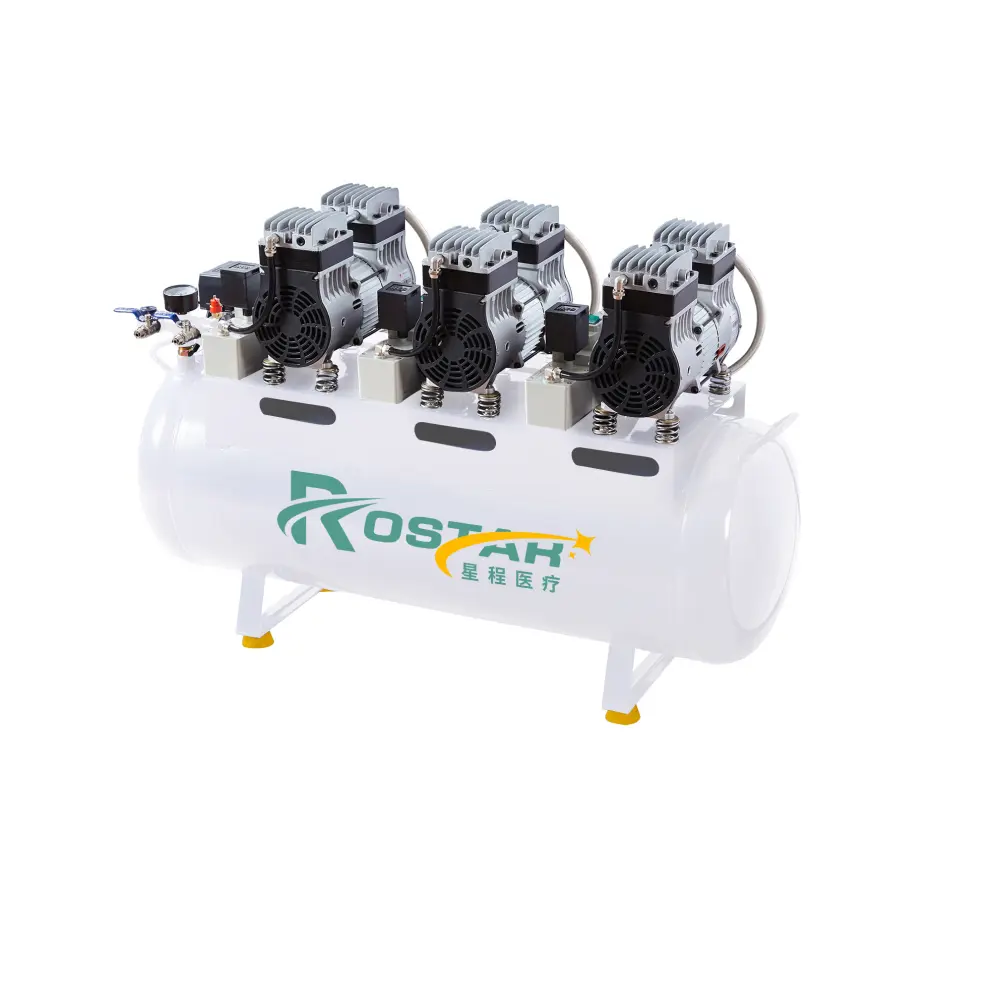
They can be configured in modular or twin-head systems
They support continuous operation with low heat buildup
For hospitals, universities, and government healthcare projects, oil-free compressors are almost always required in tender specifications.
Distributors working on multi-chair installations benefit from the reliability and low maintenance of oil-free systems.
8. Key Specifications Buyers Should Check Before Importing
International buyers must evaluate technical specifications carefully. The most important parameters include:
Airflow output (L/min or CFM)
Working pressure (Bar/PSI)
Noise level (dB)
Tank capacity (liters)
Duty cycle / continuous runtime
Dryer system & moisture filters
Voltage compatibility (110V / 220V)
Certifications (CE, ISO 13485, FDA if required)
Choosing the correct compressor ensures the dental chair performs at maximum efficiency and complies with local regulations.
9. How to Work with a Reliable Oil-Free Compressor Supplier
In international markets, choosing the right supplier is just as important as choosing the right product. A reliable manufacturer should offer:
Proven experience in dental industry
Suppliers familiar with dental chair airflow requirements can provide more accurate solutions.
Strict quality control
High-quality components and rigorous testing ensure the compressor runs smoothly for years.
After-sales support
Key for distributors, especially when serving multiple clinics.
Customization for different regions
Electrical voltage, plug type, tank size, and certifications may vary by country. A flexible supplier helps avoid import issues.
Technical documentation
A professional supplier provides manuals, test reports, CE certificates, and installation instructions for smooth customs clearance and client onboarding.
Working with the right manufacturer reduces risk and ensures that all dental chairs operate reliably from day one.
10. Conclusion
Oil-free compressors have become the global standard for dental clinics due to their superior hygiene, stable performance, quiet operation, and long-term cost advantages. As international markets tighten regulatory requirements and raise their expectations for patient safety, oil-free technology is no longer optional—it’s essential.
For distributors, importers, and clinic owners, choosing an oil-free compressor means investing in compliance, reliability, and performance. With the right supplier and the right specifications, the compressor will extend the lifespan of the dental chair, protect handpieces, and ensure a safe and comfortable experience for patients.
Oil-free compressors are not just a trend—they are the future of dental care worldwide.