Introduce
For dental distributors, clinic owners, and procurement managers, controlling costs while maintaining quality is always a top priority. Dental chairs are one of the most significant investments in a dental clinic setup, often representing 25–40% of total equipment costs. However, reducing the dental chair cost isn’t just about finding the cheapest supplier — it’s about making informed, strategic purchasing decisions that balance price, performance, and long-term reliability.
In this article, we’ll explore the top five proven strategies to reduce your dental chair cost without compromising on product quality or patient experience.
Author’s Insight: Smart cost reduction isn’t about cutting corners — it’s about optimizing value at every stage of your purchasing process.
1. Optimize Your Supplier Selection Process
The first and most impactful way to lower procurement cost is to choose the right supplier. A well-established manufacturer with strong R&D capabilities, stable production, and transparent pricing can save you thousands over time.
When evaluating potential suppliers, consider the following:
Production scale: Large factories benefit from economies of scale and can offer more competitive prices.
OEM/ODM flexibility: A manufacturer that provides customization can help you create your own brand line without extra middleman fees.
After-sales service: Reliable service reduces hidden maintenance costs.
Certifications: ISO13485, CE, FDA, or SFDA compliance ensures international quality standards — reducing the risk of product returns.

Instead of focusing solely on the lowest quotation, assess total cost of ownership (TCO) — including warranty, replacement parts, logistics, and technical support.
Author’s Insight: A trustworthy supplier isn’t always the cheapest, but the one that helps you avoid costly mistakes in the long run.
2. Consolidate Orders and Negotiate Bulk Discounts
Ordering in higher volumes can significantly reduce your per-unit cost. Most manufacturers offer tiered pricing, where larger orders qualify for discounts on raw materials, production setup, and freight consolidation.
Here’s how to take advantage of it:
Plan annual demand: Instead of ordering monthly, place quarterly or bi-annual orders to negotiate better prices.
Bundle purchases: Combine multiple product categories (e.g., dental chairs, stools, and lights) from the same supplier for a package deal.
Negotiate long-term contracts: Multi-order agreements can lock in favorable pricing even if market costs rise.
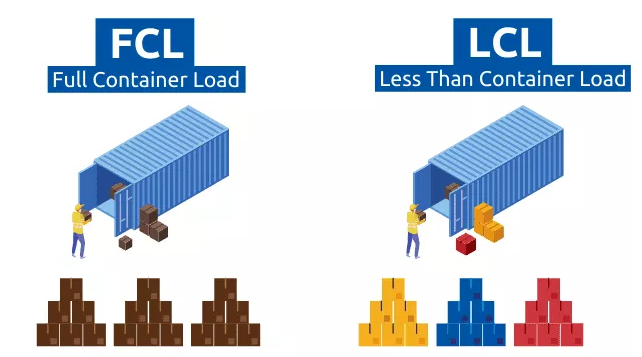
Leverage shipping efficiency: Full container load (FCL) shipments are often 15–25% cheaper than partial loads (LCL).
Author’s Insight: Strategic volume buying is not just about larger quantities — it’s about smarter forecasting and relationship building with suppliers.
3. Optimize Logistics and Shipping Strategies
Logistics can account for 10–30% of the total landed cost of dental chairs, especially for overseas buyers. Choosing the right shipping method and timing can yield significant savings.
Cost-saving logistics strategies include:
Compare shipping modes:
Sea freight is cost-efficient for bulk orders but slower.
Air freight suits urgent shipments but should be reserved for high-margin or sample orders.

Use freight forwarders with dental equipment experience: They can manage custom clearance and handle fragile components.
Consolidate shipments: Combine multiple orders from the same region or supplier into one container to reduce per-unit freight cost.
Negotiate CIF vs. FOB terms wisely: Depending on your control over logistics, one may save you more in insurance or port handling fees.
Author’s Insight: Reducing logistics cost isn’t about cutting speed — it’s about balancing delivery time with efficient freight planning.
4. Evaluate Material and Configuration Options
Not all dental chairs are created equal. Differences in materials, motors, upholstery, and control systems can lead to substantial price variations.
To manage costs effectively:
Review your market segment: A distributor targeting mid-range clinics doesn’t need to purchase premium chairs with advanced touchscreens or built-in mircromotor.
Select cost-effective components:
PU seamless cushions offer comfort at lower cost than micro-fiber leather.
DC motors are cheaper than imported servo systems but still perform well for most users.
Standardize configurations: Minimize unnecessary customization — it increases production complexity and costs.
Ask for modular options: Some factories can produce a base unit with optional upgrades (e.g., scaler, LED lamp), allowing flexibility across price points.
Author’s Insight: Focus on the features your end customers actually value — not every high-end function justifies its cost.
5. Build Long-Term Partnerships, Not One-Time Deals
In B2B procurement, trust and consistency are more valuable than one-time discounts. Building a strategic partnership with your manufacturer can result in better terms, priority production, and faster response times — all of which reduce indirect costs.
Here’s how to strengthen partnerships:
Communicate transparently: Share your market plans and sales data. It helps suppliers forecast demand and prepare stock more efficiently.
Provide feedback: Honest reviews on chair performance lead to better product refinement and fewer warranty issues.
Explore exclusive distributor agreements: Long-term cooperation often brings access to preferential pricing and marketing support.
Collaborate on branding: Joint marketing or co-branding can boost visibility while reducing your promotional spend.
Author’s Insight: Reliable partnerships transform cost savings from short-term discounts into long-term competitive advantage.
Additional Tips for Dental Chair Buyers
Beyond the five major strategies, here are a few more expert suggestions to reduce procurement costs sustainably:
Monitor currency exchange rates: For importers, a small shift in USD/CNY rates can impact margins significantly.
Order before peak seasons: Avoid higher prices and shipping delays before major exhibitions or year-end rushes.
Inspect before shipment: Third-party quality checks are cheaper than dealing with returns or replacements.
Leverage digital tools: Platforms like Alibaba or Global Sources help benchmark prices and discover new suppliers quickly.
Author’s Insight: Cost control is a process — not a one-time effort. Continuous monitoring and optimization bring the best long-term ROI.
Conclusion
Reducing your dental chair procurement cost isn’t about sacrificing quality — it’s about managing smarter. By selecting the right supplier, optimizing logistics, negotiating effectively, and building sustainable partnerships, you can achieve both affordability and reliability.
In today’s competitive dental market, cost efficiency equals market advantage. When you invest in better processes and relationships, your profits don’t just come from cheaper chairs — they come from stronger, more sustainable business growth.
Author’s Insight: The best procurement strategy is not to chase the lowest price, but to build the highest value chain.
FAQ
Q1: What’s the average cost of a dental chair in 2025?
A: Prices vary widely by brand and configuration. Entry-level chairs from China may start around USD 1,200–2,000, while premium imported units can exceed USD 10,000 per set.
Q2: Is it safe to buy dental chairs directly from Chinese manufacturers?
A: Yes, as long as you verify certifications (CE, ISO, FDA), request testing reports, and work with a reputable supplier with export experience.
Q3: Can OEM customization increase my procurement cost?
A: Yes, slightly — but it can also improve brand recognition and resale value. Evaluate ROI before deciding on custom designs or colors.
Q4: What’s the best time to place bulk orders?
A: Typically, avoid Q4 when factories are busiest before the Lunar New Year. Q2–Q3 often provides better pricing and faster lead times.
Q5: How can I ensure product quality while saving cost?
A: Always request pre-shipment inspections, use trusted suppliers, and keep open communication with your manufacturer for continuous improvement.