Choosing the right dental stool for your clinic is a critical decision that directly impacts your dentists’ comfort, efficiency, and long-term health. While dental chairs and handpieces often get the spotlight, dental stools play a crucial role in daily clinical operations. A well-designed stool not only improves posture and reduces fatigue but also enhances workflow and patient care. In this comprehensive guide, we will explore the essential factors to consider when selecting the perfect dental stool for your clinic.
Why Choosing the Right Dental Stool Matters
Dental professionals spend hours each day sitting and performing precise procedures. Poor seating can lead to musculoskeletal disorders, back pain, and reduced concentration. Investing in ergonomic dental stools is not just a matter of comfort—it is an investment in your staff’s productivity and long-term health.
Key Benefits of a High-Quality Dental Stool:
Ergonomic Support: Maintains proper posture and reduces strain on the spine, neck, and shoulders.
Enhanced Efficiency: Properly adjustable stools allow dentists to reach instruments and patients with ease.
Durability and Cost-Effectiveness: High-quality stools last longer, reducing replacement costs.
Improved Patient Care: Comfortable dentists provide more precise and efficient treatments.
1. Ergonomics: The Heart of Dental Stool Selection
Ergonomics should be your top priority when choosing a dental stool. Ergonomic design minimizes strain and supports natural posture.
Features to Look For:
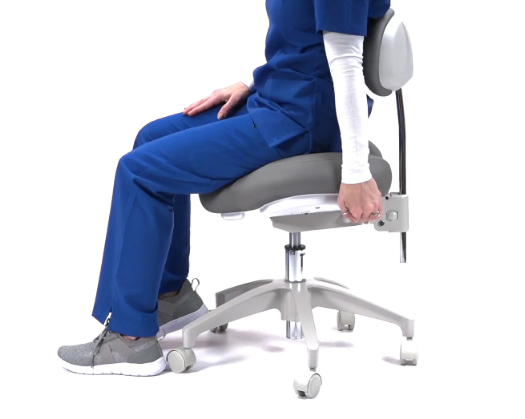
Adjustable Height: The stool should easily adjust to different operator heights. Ideal dental stools have a hydraulic or pneumatic lift for smooth height changes.
Seat Design: Consider saddle-shaped, round, or contoured seats. Saddle stools promote a more open hip angle and better spinal alignment, reducing lower back stress.
Backrest Support: A supportive, adjustable backrest can reduce fatigue during long procedures. Some models offer lumbar support cushions.
Swivel and Mobility: Smooth 360° swivel and quality caster wheels enable quick, effortless movement around the operatory.
2. Seat Design and Comfort
The comfort of a dental stool is crucial for both short procedures and long hours. Consider these factors:
Material: Choose breathable materials such as PU leather or high-density foam that provide comfort and easy cleaning.
Cushioning: A well-cushioned seat prevents pressure points and promotes proper blood circulation.
Shape: Saddle stools are ideal for lumbar support, while round stools offer versatility. Some clinics use a combination depending on procedure type.
Insight: Testing stools in your clinic before purchase can help determine what works best for your team.
3. Adjustability: Customizing for Every Dentist
No two dentists have the same height, body type, or working style. Adjustable dental stools are essential for accommodating different operators.
Key Adjustable Features:
Seat height
Backrest tilt
Armrest positioning (if applicable)
Foot ring or base height
Tip: A stool that allows multiple adjustments ensures all staff members maintain proper posture, reducing injury risk.
4. Mobility and Stability
Dentists and assistants often need to move around the patient chair quickly. Therefore, mobility and stability are equally important:
Caster Wheels: Smooth-rolling, non-marking wheels that work well on tile, vinyl, or laminate floors.
Base Design: Five-legged bases provide maximum stability and prevent tipping.
Swivel Function: A 360-degree swivel allows easy access to instruments without straining.
Bonus: Some modern stools also include locking wheels for stability during delicate procedures.
5. Durability and Maintenance
Dental stools endure heavy daily use, so durability and maintenance are critical.
Materials: High-quality metal frames, premium upholstery, and reinforced mechanisms prolong lifespan.
Cleaning: Smooth surfaces and antimicrobial materials help maintain hygiene standards.
Warranty: Consider suppliers offering 1–5 year warranties as a sign of quality assurance.
6.Price vs. Value: Making a Smart Investment
While it may be tempting to choose the cheapest option, consider the long-term value:
Low-Cost Stools: Often compromise on ergonomics, durability, or mobility.
Premium Stools: Higher initial investment but reduce staff fatigue, medical errors, and replacement frequency.
ROI Consideration: Ergonomic stools can improve efficiency, reduce sick leave, and boost staff satisfaction, making them cost-effective in the long run.
Insight: Evaluate the total cost of ownership, not just the upfront price.
7. Popular Dental Stool Types
Saddle Stools
Promote upright posture and spinal alignment
Ideal for long procedures
Preferred by dentists with lower back concerns
Round Stools
Versatile and suitable for short procedures
Often used by dental assistants or hygienists
Can complement saddle stools in a clinic
High-Tech / Advanced Stools
Features: Memory foam cushions, adjustable lumbar support, antimicrobial materials
Suitable for modern clinics focusing on staff well-being
8. Safety and Hygiene Considerations
Dental clinics must prioritize hygiene and safety. When choosing stools, consider:
Antimicrobial Upholstery: Prevents bacterial growth, critical for patient safety.
Easy-to-Clean Surfaces: Smooth or seamless materials simplify disinfection.
Stable Construction: Reduces risk of accidents in fast-paced clinical environments.
9. Supplier Selection and After-Sales Support
Choosing the right supplier is as important as choosing the stool itself. Consider:
Reputation and reliability of manufacturer
Availability of replacement parts
Customer service and after-sales support
Delivery and setup assistance
Insight: For B2B buyers, a supplier that offers consistent support and product updates is invaluable.
10. FAQ: Dental Stools for Clinics
Q1: How often should a dental stool be replaced?
A: Typically, a high-quality dental stool lasts 5–10 years depending on usage. Regular maintenance can extend lifespan.
Q2: What is the best type of dental stool for long procedures?
A: Saddle stools are generally recommended for long procedures because they encourage better posture and reduce lower back strain.
Q3: Can a dental stool prevent back pain completely?
A: While no stool can eliminate all strain, ergonomic and adjustable stools significantly reduce the risk of musculoskeletal disorders.
Q4: Are expensive dental stools worth the investment?
A: Yes. Premium stools provide better ergonomics, durability, and efficiency, which translates to cost savings and improved staff well-being over time.
Q5: Should I choose a stool with or without a backrest?
A: For most dentists, a stool with an adjustable backrest is recommended. Some clinics also provide backless stools for short tasks or dental assistants.
11. Final Checklist for Choosing the Perfect Dental Stool
Before making a purchase, ensure your dental stool meets these criteria:
| Feature | Importance |
|---|---|
| Ergonomics | High |
| Adjustable height & backrest | High |
| Seat comfort & material | High |
| Mobility (caster wheels & swivel) | Medium |
| Durability & warranty | High |
| Hygiene & safety | High |
| Price vs. value | Medium-High |
| Supplier reliability | High |
Conclusion
Selecting the perfect dental stool for your clinic is more than a matter of aesthetics or cost—it is a strategic decision that impacts dentist comfort, operational efficiency, and patient care. Focus on ergonomics, adjustability, durability, and supplier reliability. By investing in the right dental stool, your clinic can create a healthier and more productive work environment, ultimately enhancing patient satisfaction and staff retention.
For a wide range of ergonomic, durable, and high-quality dental stools, visit CenturyDent Dental Stools.