Introduction
In today’s fast-paced dental industry, efficiency, mobility, and accuracy are crucial. Portable dental X-ray machines are becoming a popular choice among dental professionals because they combine mobility with high-quality imaging. Whether you run a private clinic, a mobile dental unit, or provide community dental services, a portable X-ray machine can dramatically improve diagnosis and workflow. This buyer’s guide will help you understand how to choose the best portable dental X-ray machine that suits your practice.
What Is a Portable Dental X-Ray Machine?
A portable dental X-ray machine is a compact, lightweight imaging device designed to take intra-oral or extra-oral radiographs without being restricted to a single location. Unlike traditional wall-mounted X-ray units, portable devices are handheld or transportable, making them ideal for:
- Mobile dental clinics
- Pediatric and geriatric care
- Remote or rural healthcare services
- Chairside diagnosis in busy practices
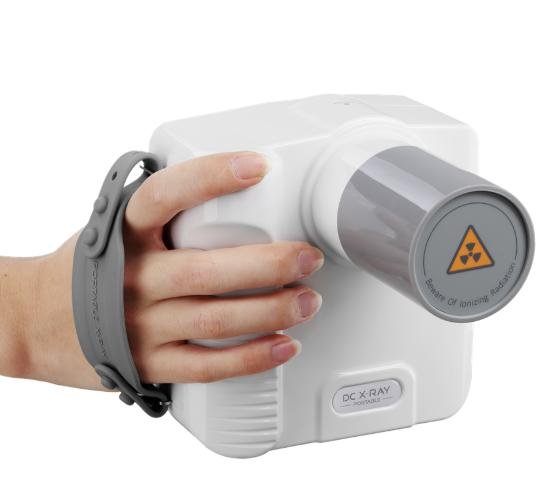
Benefits of Portable Dental X-Ray Machines
- Mobility and Flexibility – Easy to move between treatment rooms or outside the clinic.
- Time Efficiency – Quick setup and imaging save chair time for both dentist and patient.
- Space Saving – Ideal for small practices where room installation is not feasible.
- Improved Patient Comfort – The dentist can bring the X-ray device directly to the patient.
- Cost-Effective – Lower installation and maintenance costs compared to stationary systems.
Key Factors to Consider When Choosing a Portable Dental X-Ray Machine
1. Image Quality and Resolution
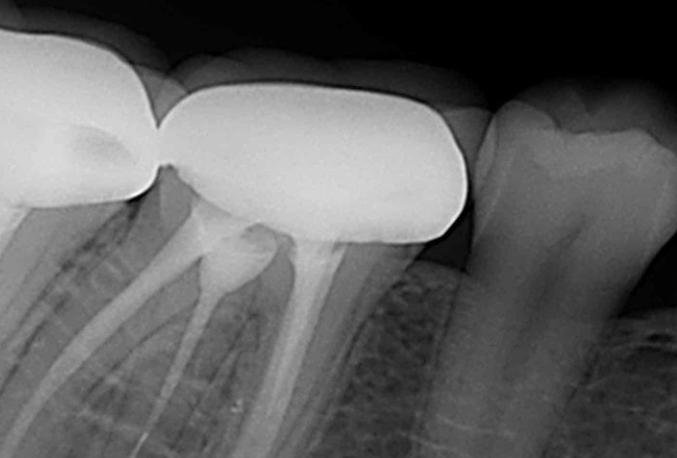
High-quality images are critical for accurate diagnosis. Look for:
- High frequency (60–70 kHz) generators
- Digital sensor compatibility
- Adjustable exposure settings
2. Radiation Safety
Radiation protection is a top priority. Choose a device that includes:
- FDA/CE/ISO certification
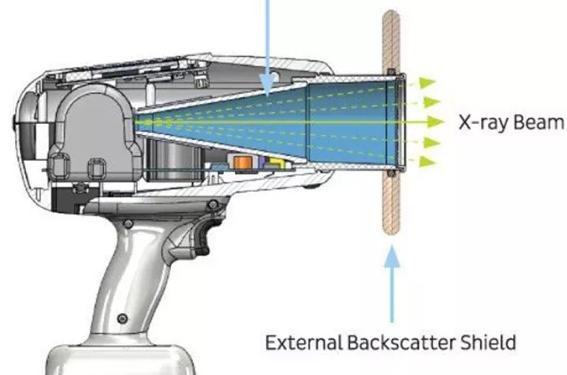
- Lead shielding or internal radiation protection
- Proper collimation to minimize scatter radiation
3. Battery Life and Power
Portable machines are often battery-powered. Check:
- Battery life (number of exposures per charge)
- Charging time and durability
- AC/DC power options
4. Weight and Ergonomics
Since dentists or technicians handle these devices directly, weight matters.
- Ideal weight: 2–3 kg for handheld units
- Ergonomic grip to reduce fatigue
5. Ease of Use
Simple operation saves training time and reduces mistakes. Ensure:
- User-friendly interface
- One-touch settings for common procedures
- Easy integration with dental software
6. Compatibility with Imaging Systems
Ensure the X-ray unit works with your existing digital sensors, PSP plates, or film systems. Compatibility reduces additional costs.
7. Durability and Build Quality
A portable machine should withstand frequent use and transport. Check for:
- Solid build with shock protection
- Manufacturer warranty
- Waterproof or dustproof features (optional)
8. Regulatory Compliance
Always ensure the machine meets international safety standards:
- ISO 13485 (medical devices)
- CE Certification (Europe)
- FDA Approval (USA)
9. Price and After-Sales Support
Price ranges vary from $800 to $3,500 depending on features. Consider:
- Warranty duration
- Availability of spare parts
- Training and customer support
Portable vs. Traditional Dental X-Ray Units
| Feature | Portable X-Ray Machine | Traditional Wall-Mounted X-Ray |
|---|---|---|
| Mobility | High | Low (fixed in one room) |
| Installation Cost | Low | High |
| Radiation Shielding | Built-in protection | Requires lead-lined room |
| Ideal Use | Mobile clinics, chairside | Fixed clinic use |
Top Applications of Portable Dental X-Ray Machines
- Mobile Dentistry – Serving schools, nursing homes, and remote areas.
- Pediatric Dentistry – Easy positioning for children.
- Emergency Dentistry – Fast imaging in urgent care.
- Orthodontics – Monitoring alignment and treatment progress.
- Implantology – Pre- and post-surgery imaging.
Maintenance Tips for Long-Lasting Performance
- Regularly calibrate and service the device
- Store in a dry, dust-free environment
- Avoid dropping or excessive shaking
- Charge the battery fully before extended use
- Follow manufacturer guidelines for sterilization and cleaning
Frequently Asked Questions (FAQ)
1. Are portable dental X-ray machines safe?
Yes. When used correctly, portable X-ray machines are safe and comply with radiation standards.
2. Can portable dental X-ray machines replace traditional units?
Not completely. While portable units are excellent for mobility, traditional units may still be needed for larger practices with high patient volume.
3. What is the average lifespan of a portable dental X-ray machine?
With proper care, most devices last 5–8 years.
4. Do I need a license to use a portable dental X-ray machine?
In most regions, yes. Dentists and operators must comply with local radiation safety regulations.
Conclusion: Choosing the Best Portable Dental X-Ray Machine
Investing in the best portable dental X-ray machine can greatly enhance your practice’s efficiency, flexibility, and patient care. When buying, prioritize image quality, radiation safety, ergonomics, compatibility, and regulatory compliance. Always work with reputable suppliers that provide reliable after-sales service.
A well-chosen portable X-ray unit is not just a piece of equipment—it’s a tool that empowers you to deliver faster, safer, and more accurate dental care.