Introduction
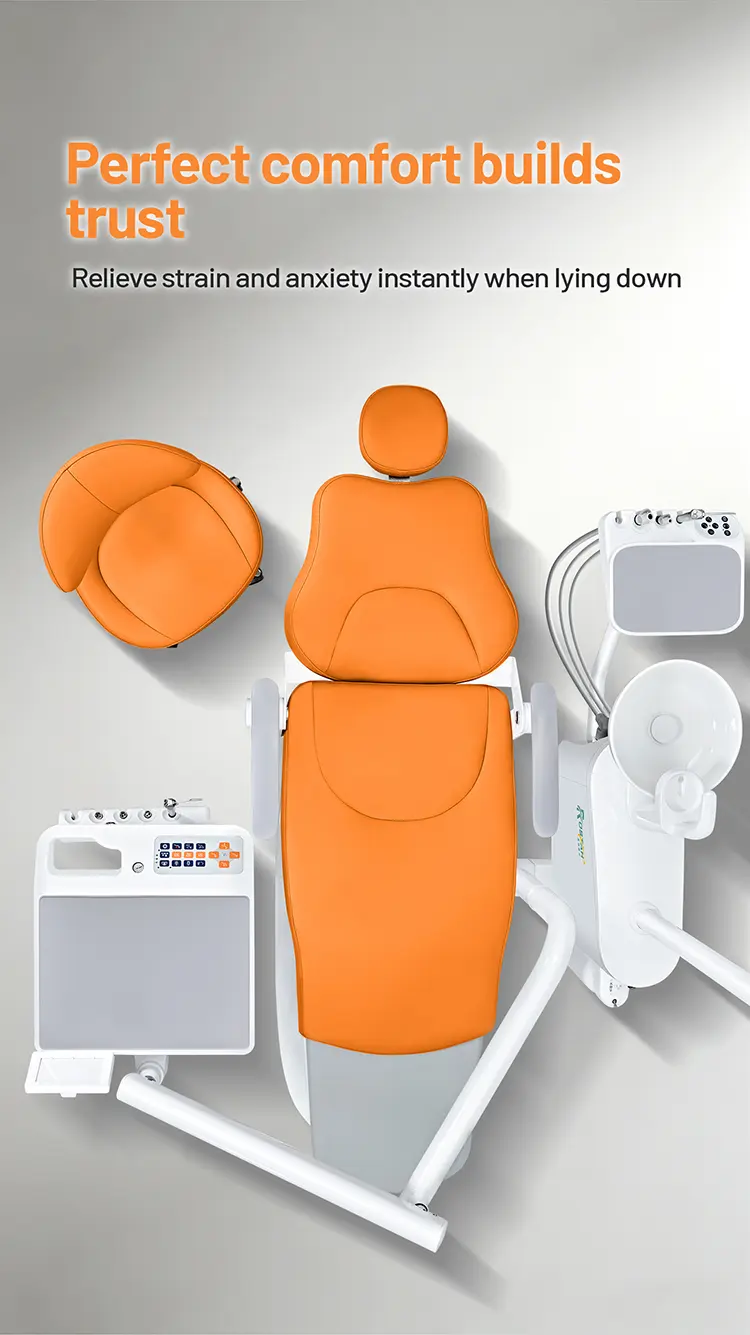
When setting up or upgrading your dental clinic, one of the most important — yet often overlooked — decisions is choosing the right size dental chair. The dimensions of your dental chair affect not only patient comfort but also workflow efficiency, space utilization, and even your clinic’s compliance with regulations.
This guide will walk you through the key factors to consider when selecting the perfect dental chair size for your specific needs.
1. Why Dental Chair Size Matters
The size of a dental chair has a direct impact on:
Patient Comfort – A chair that’s too small or too large can make patients feel uneasy.
Dentist Ergonomics – Proper positioning reduces fatigue and prevents musculoskeletal issues.
Clinic Space Utilization – Choosing the right dimensions ensures smooth movement for staff and patients.
Regulatory Compliance – Certain countries require specific spacing for accessibility and safety.
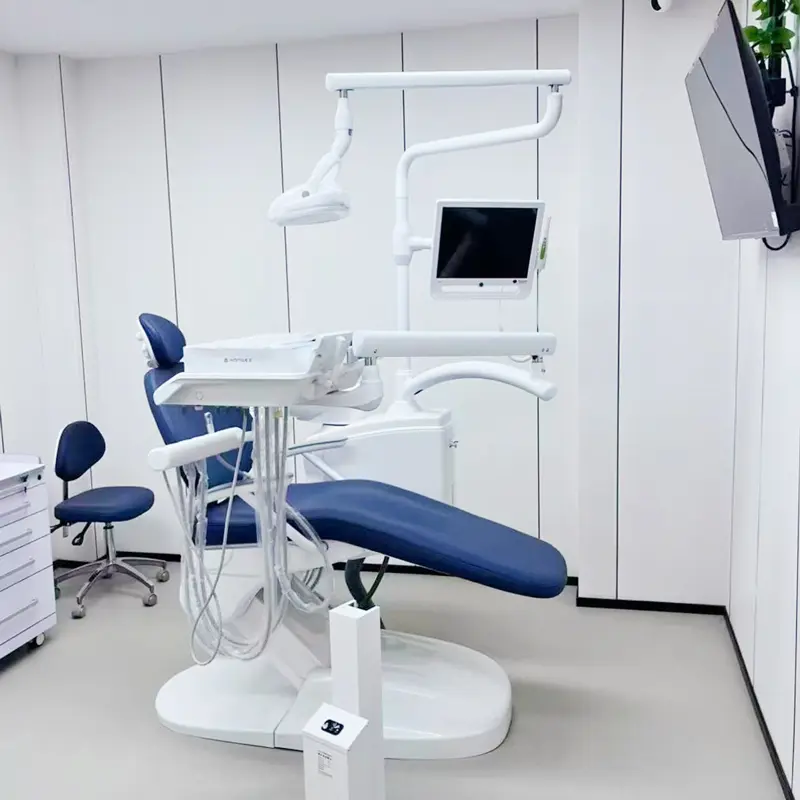
Think of the dental chair as the “centerpiece” of your operatory — everything else in the room revolves around it.
2. Standard Dental Chair Dimensions
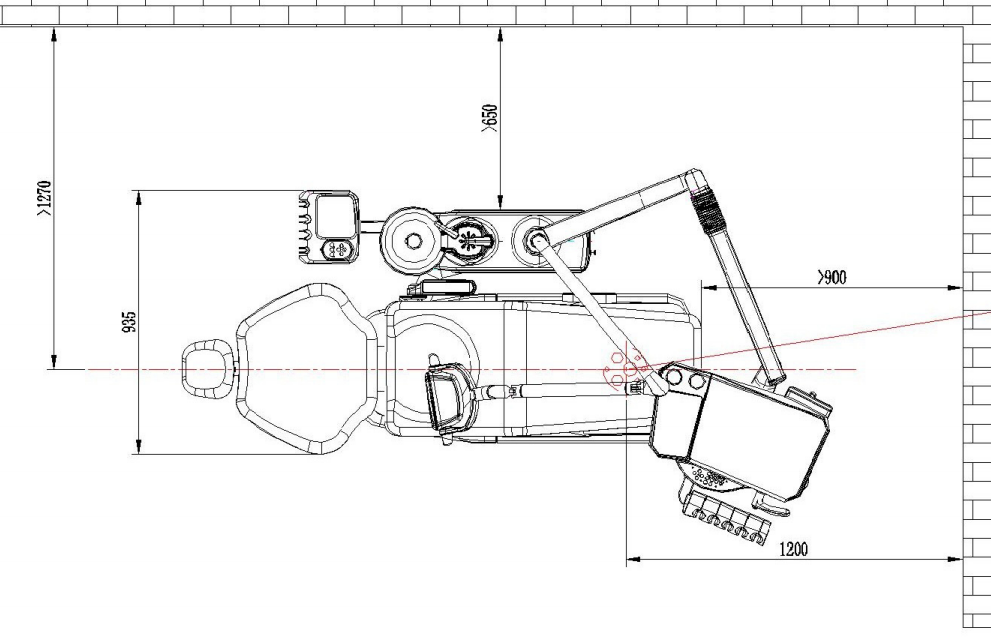
While dimensions can vary by brand and model, here are typical ranges for fully reclined dental chairs:
| Component | Standard Dimension |
|---|---|
| Chair Length (reclined) | 1900–2000 mm (75–79 in) |
| Chair Width (without armrests) | 500–600 mm (20–24 in) |
| Chair Width (with armrests) | 700–800 mm (27–31 in) |
| Seat Height Range | 400–800 mm (16–31 in) |
| Backrest Height | 800–1000 mm (31–39 in) |
These figures serve as a baseline. Many manufacturers offer compact and extra-wide options to suit different needs.
3. Types of Dental Chair Sizes
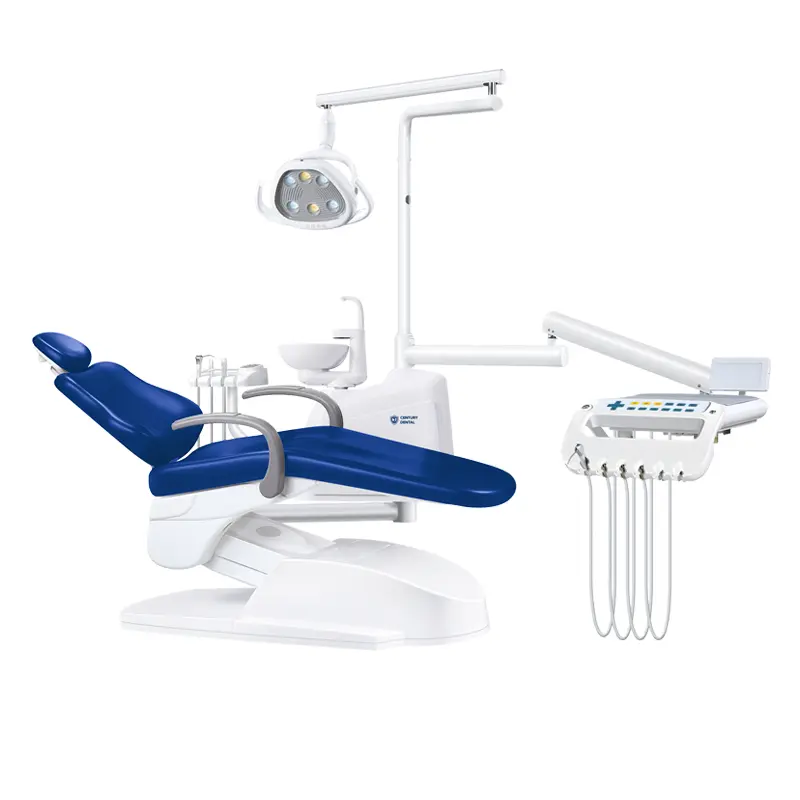
a) Standard Size Dental Chairs
Best for: Average-sized operatory room (8–10 m²)
Offers balanced patient comfort and space efficiency
Fits most adult patients comfortably
b) Compact Dental Chairs
Best for: Small clinics, mobile units, or pediatric practices
Shorter overall length and narrower frame
Ideal for maximizing floor space
c) Extra-Wide / Bariatric Dental Chairs
Best for: Clinics serving a diverse patient base, including larger patients
Wider seat and reinforced structure
May require more operatory space for proper access
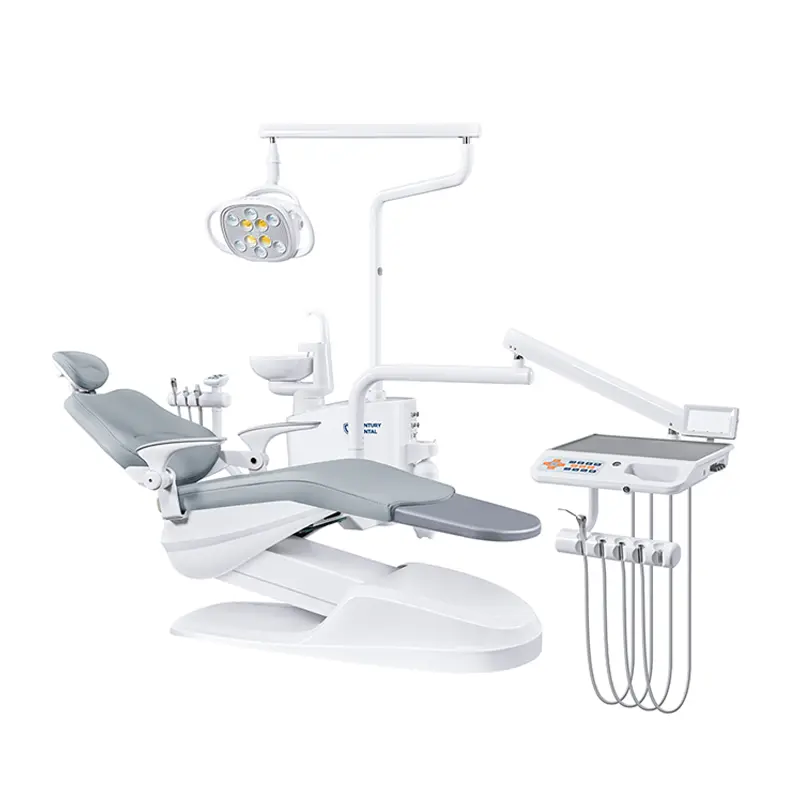
4. Measuring Your Operatory for the Perfect Fit
Before purchasing, measure your room and consider the 360° movement required during treatments. Here’s how:
Measure Room Size – Note length, width, and ceiling height.
Determine Chair Placement – Usually centered in the operatory for optimal workflow.
Allow for Equipment Space – Factor in delivery units, lights, carts, and X-ray arms.
Plan for Movement – Leave at least 800–1000 mm (31–39 in) clearance around the chair for staff movement.
Check Doorway Width – Make sure the chair can physically enter the room.
A common mistake is buying a chair that technically “fits” but makes the room feel cramped. Always visualize the setup before committing.
5. Ergonomics: Matching Chair Size to the Dentist
Even if the chair fits the room, it must also fit you. The wrong size can force awkward posture, leading to back, neck, and shoulder strain.
Seat Height Adjustment – Ensure it can lower and raise to match your preferred working posture.
Backrest Design – A slim backrest allows better access to the patient’s oral cavity.
Knee Space – When the chair is reclined, your knees should fit comfortably under the patient’s headrest.
6. Special Considerations for Pediatric Dental Chairs
If your clinic treats children:
Opt for a shorter chair length (around 1500–1600 mm)
Include removable or adjustable headrests for different age groups
Consider fun, colorful designs to reduce anxiety
7. Space Planning: Chair Size and Room Layout
A dental chair doesn’t exist in isolation. The right size must complement:
Cabinetry Placement – Avoid blocking drawers or doors.
Assistant’s Zone – Ensure easy access to suction and instrument trays.
Lighting Reach – Overhead lights must cover the full chair range.
Patient Entry/Exit Path – Make sure patients can get in and out comfortably.
8. Regulatory and Accessibility Requirements
In some regions, laws specify minimum clearance around the dental chair for accessibility:
ADA Compliance (USA) – At least 32 inches (810 mm) wide clear pathway for wheelchair access.
EU Guidelines – Often require 900–1200 mm clearance on one side for staff movement.
If you plan to serve patients with disabilities, these clearances are not optional.
9. Future-Proofing Your Investment
A dental chair can last 10–15 years, so choose a size that accommodates:
Potential clinic expansion
A wider range of patients
New equipment that may require extra space
Avoid buying the smallest chair possible just to save room — you might regret it when upgrading other equipment.
10. Quick Checklist Before You Buy
✅ Measure your operatory dimensions
✅ Consider patient comfort and size range
✅ Evaluate dentist and assistant ergonomics
✅ Leave clearance for all equipment and movement
✅ Check compliance with local regulations
✅ Think about future scalability
Conclusion
Choosing the right dental chair size isn’t just about measurements — it’s about creating an environment where patients feel comfortable and your team can work efficiently.
A well-sized chair improves workflow, reduces physical strain, and ensures your clinic looks professional and welcoming. By taking the time to measure your space, consider ergonomics, and plan for the future, you’ll make an investment that pays off for years.