Introduction
Starting a dental clinic is a bold and exciting step, but it comes with many crucial decisions—especially when it comes to selecting the right equipment. One of the most essential investments is the dental air compressor. Often referred to as the heart of a dental practice, this machine powers the tools that drive everyday procedures, from drilling and cleaning to polishing and drying.
For new clinic owners, the abundance of options and technical specifications can be overwhelming. This comprehensive guide will walk you through the key factors to consider when purchasing a dental air compressor to ensure you choose the right system for your needs—now and as your clinic grows.
What Is a Dental Air Compressor?
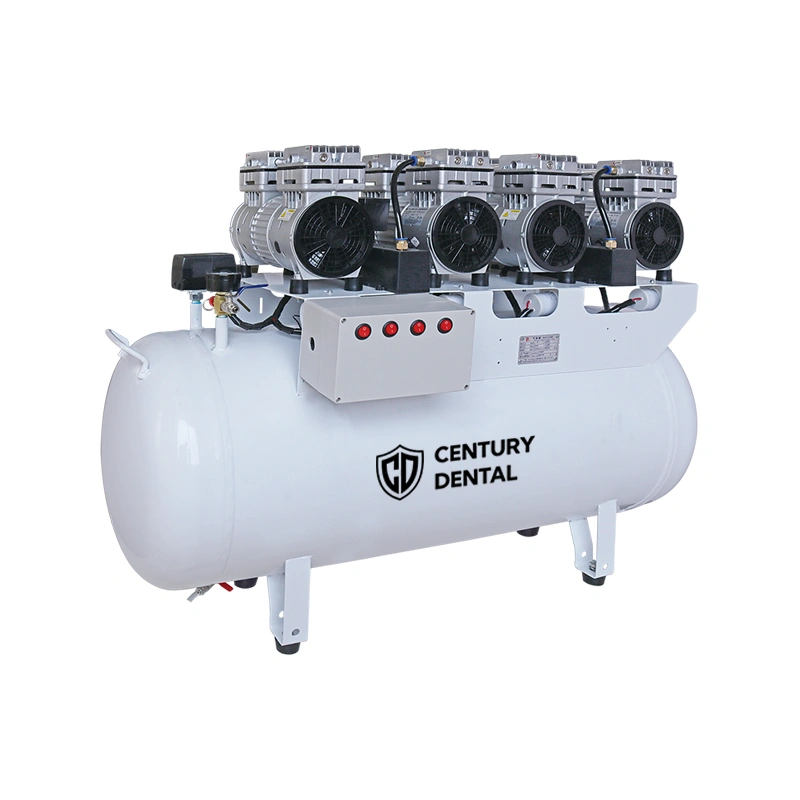
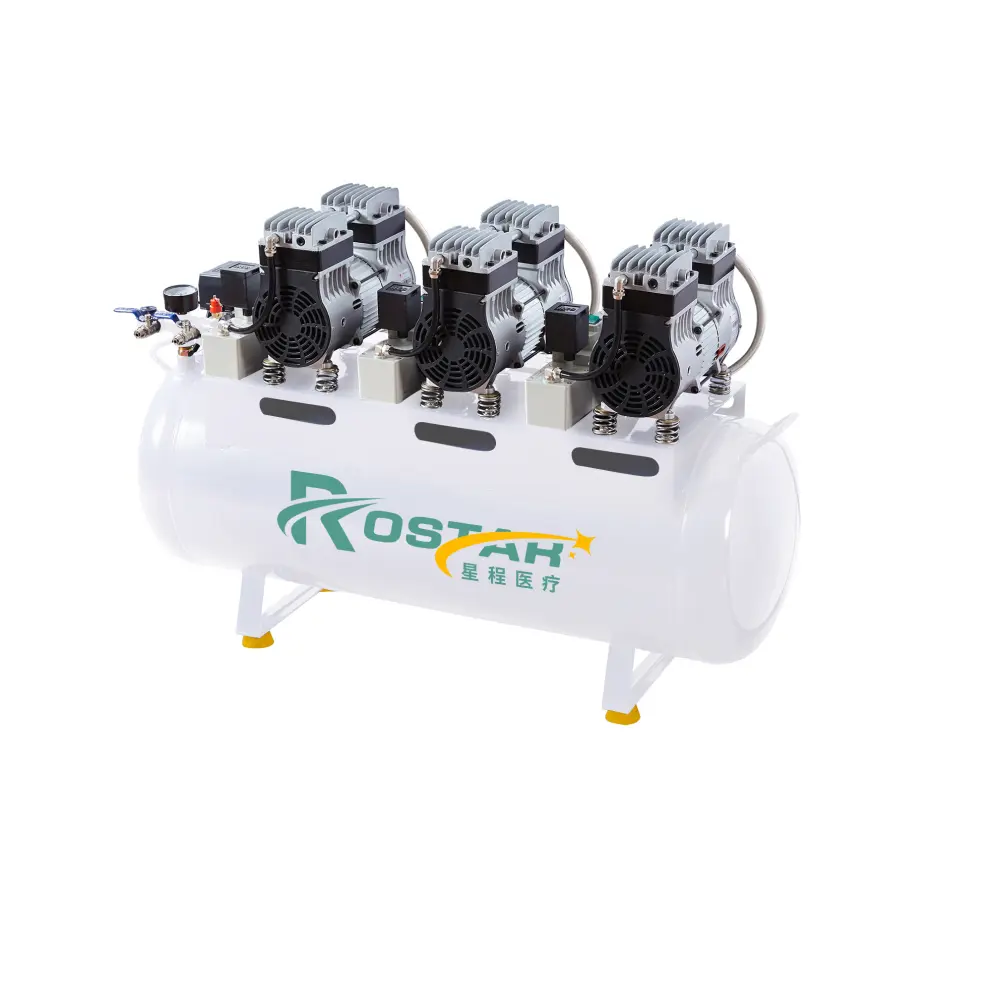
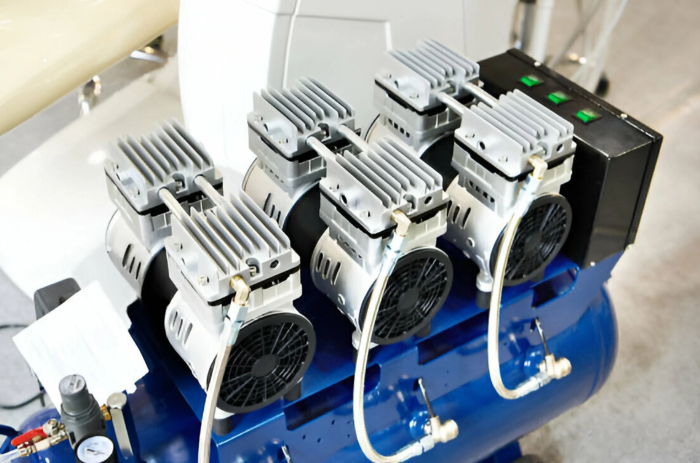
A dental air compressor is a specialized device designed for dental clinics to compress, store, and deliver clean, dry, oil-free compressed air that powers dental equipment. It is considered one of the most critical pieces of equipment in a dental practice—often referred to as the “heart of the clinic.”
In practice, a dental air compressor supplies clean air to essential tools such as:
High-speed and low-speed Dental handpieces
Ultrasonic dental scaler(Built-in)
Three-way syringes (air, water, spray)
Drying systems and suction devices
Unlike general industrial compressors, dental air compressors must deliver air that meets medical-grade hygiene standards. This means they are typically equipped with filtration, drying, and sterilization systems to eliminate moisture, oil, and bacteria—ensuring patient safety and protecting dental instruments.
Why the Right Compressor Matters
In a dental clinic, air quality and reliability are non-negotiable. A poor-quality compressor can lead to:
Unreliable dental handpiece performance
Contaminated air that affects patient safety
Increased maintenance and downtime
Reduced lifespan of your equipment
Your compressor isn’t just a support tool—it’s the engine behind almost every dental procedure.
Oil-Free vs Oil-Lubricated: Which to Choose?
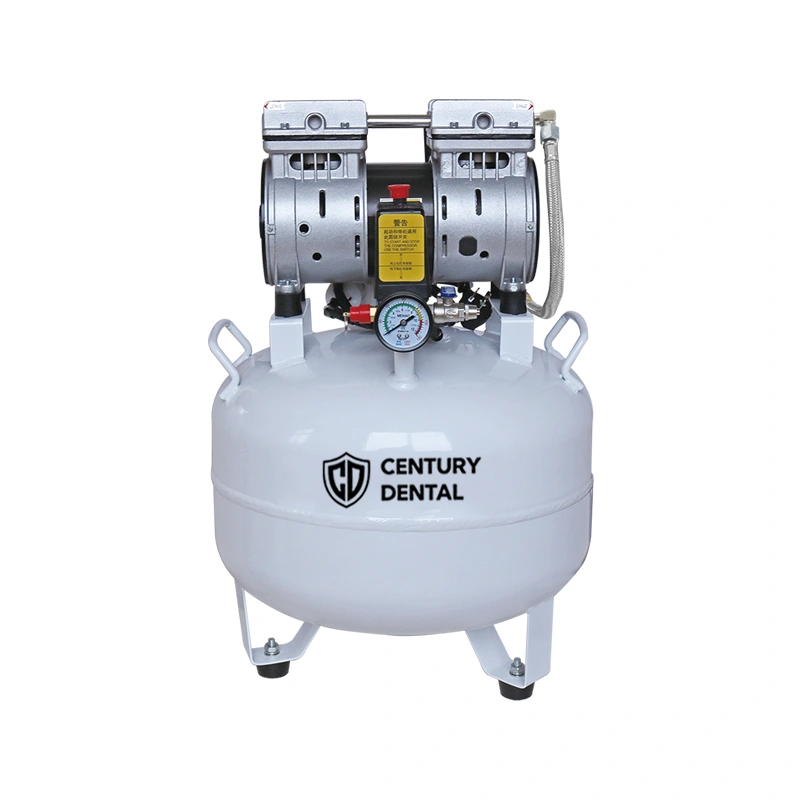
There are two main types of dental air compressors: oil-lubricated and oil-free.
- Principle: Utilizing oil-free piston rings (such as those made of PTFE) or an oil-free screw, the compression process eliminates contact with lubricating oil, resulting in direct oil-free compressed air output.
- Features: High air cleanliness (meets dental-grade standards, oil content ≤ 0.01 mg/m³), eliminating the need for complex filtration and reducing the risk of cross-infection.
Low noise and vibration make it suitable for applications requiring high cleanliness (such as implant surgery and pediatric dentistry). - Disadvantages: High cost, relatively rapid wear of oil-free components, and the need for regular maintenance.
- Suitable for: Clinics with a focus on medical safety and ample budgets, or for medical procedures with stringent air cleanliness requirements.
Oil-Lubricated Air Compressor
- Principle: During the compression process, lubricating oil lubricates, seals, and cools the piston/cylinder or rotor.
- Features: Affordable price, excellent lubrication, slow component wear, and long life.
Requires an oil-water separator and precision filter (filtration accuracy ≥ 0.01μm). Otherwise, oil in the compressed air may contaminate dental equipment or affect patient health. - Suitable for: Small and medium-sized clinics that are cost-conscious and can maintain their filtration systems regularly.
For most new dental clinics, oil-free compressors are strongly recommended. They offer peace of mind and ensure compliance with modern hygiene standards.
Top Considerations When Buying a Dental Air Compressor
1. Clinic Size and Number of Operatories
Estimate how many chairs or dental units will be using air simultaneously. A one-chair practice has very different air volume requirements than a five-chair clinic.
Tip: Plan for the future. If you expect to expand, invest in a compressor that can grow with you.
2. Air Flow and Pressure (CFM & PSI)
Check the specifications of your dental equipment to determine the required CFM (cubic feet per minute) and PSI (pounds per square inch). Your compressor should meet or exceed these requirements for all connected units.
3. Tank Size
A larger tank allows for more air storage and reduces compressor cycling. For a small clinic, a 30–60 liter tank is often sufficient. Bigger clinics may need tanks upwards of 100 liters.
CenturyDent can offer tank size from 30L-180L which can supply air from 1 dental chair to 10 dental chairs. More details in this link: https://rostarmedical.com/en/dental-compressor/
4. Noise Level
Noise is often underestimated. Choose a unit that operates under 60 dB if the compressor will be placed near treatment areas. “Silent” or “low-noise” compressors are ideal for patient comfort.
5. Air Quality and Filtration
Dental compressors must include drying and filtration systems to eliminate moisture, oil, and bacteria. Look for systems with:
Membrane dryers
Charcoal filters
Anti-bacterial filtration
Clean, dry air protects both your tools and your patients.
6. Power Supply and Installation Requirements
Ensure the compressor is compatible with your clinic’s electrical capacity. Some larger units may require 220V or 3-phase power.
Recommended Brands for Dental Air Compressors
Here are some trusted global brands known for their dental-specific compressors:
Dürr Dental – German engineering with ultra-quiet, high-efficiency performance
Jun-Air – Known for low-noise oil-less compressors and compact design
EKOM – European brand offering energy-efficient models for small to mid-size clinics
Bambi Air Compressors – UK-based, compact and whisper-quiet designs
HONGKE – Top brand from China. High quality and good price
Tip: Always buy from an authorized distributor with after-sales service support.
Common Mistakes to Avoid
Under sizing the compressor – Can lead to power shortages and frequent downtime
Ignoring filtration quality – Results in moisture damage or bacterial contamination
Choosing based on price alone – Low-cost models may sacrifice quality and reliability
Not considering future growth – A compressor that meets today’s needs may fall short in 2–3 years
Poor installation planning – Improper ventilation or inaccessible placement can cause overheating or maintenance issues
Maintenance Tips
Even the best compressors require regular upkeep. Here’s what to include in your routine:
Clean or replace filters every 3–6 months
Check pressure levels weekly
Drain the tank regularly (if not auto-draining)
Schedule annual inspections with a certified technician
Installation Location: Where to Place Your Compressor
Choose a clean, dry, and well-ventilated space—ideally separate from the treatment area. Install sound insulation or enclosures if needed. Ensure easy access for maintenance and enough clearance for heat dissipation.
Conclusion: Invest in a Reliable Dental Air Compressor
Your dental air compressor is not an optional purchase—it’s a foundation for clinical success. Prioritize reliability, cleanliness, and quiet operation. A well-chosen compressor enhances workflow, patient comfort, and equipment performance.
Before making your purchase, consult with a knowledgeable dental equipment supplier who can assess your clinic’s specific needs and recommend the best system for your layout and growth plans.
Looking for expert guidance?
At CenturyDent, we help new dental clinics choose the perfect compressor setup tailored to their budget and needs. Visit our website or contact our support team for a free consultation.