Introduction
Saudi Arabia’s healthcare sector is experiencing rapid growth, driven by government investment, private clinic expansion, and rising demand for high-quality dental services. For dental equipment manufacturers, the Kingdom presents a lucrative market—especially for dental chairs. However, exporting dental chairs to Saudi Arabia is not as simple as shipping the products. It requires compliance with strict SFDA (Saudi Food and Drug Authority) and SABER certification processes, as well as adherence to local technical standards.
In this guide, we’ll walk you through the step-by-step process, required documents, and key regulations to ensure your shipment clears customs without delays.
1. Understand the Saudi Market and Regulations
1.1 Market Overview
- High demand: Driven by increasing dental clinic openings and modernization of government hospitals.
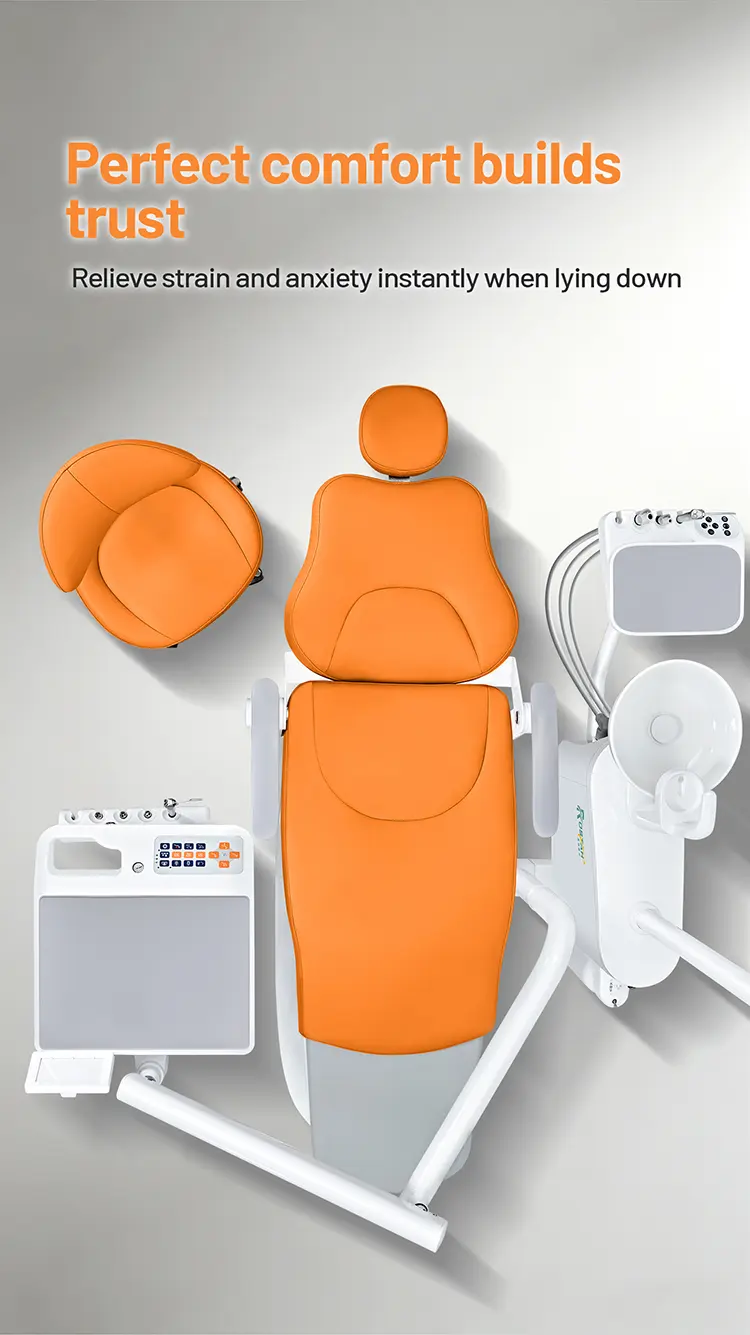
- Popular models: Ergonomic dental chairs, seamless PU cushions, integrated LED lights, and advanced foot controls.
- Competitive advantage: Offering SFDA-certified, SASO-compliant products gives you a strong edge.
1.2 Regulatory Authorities
- SFDA – Oversees medical device registration and marketing authorization.
- SASO – Saudi Standards, Metrology and Quality Organization (technical compliance).
- SABER – Online platform for product and shipment certification.



2. Product Classification and SFDA Registration
2.1 Medical Device Classification
Dental chairs are typically classified as Class I or Class II medical devices in Saudi Arabia, depending on features.
2.2 SFDA Registration Steps
- Appoint a Local Authorized Representative (LAR) – A Saudi-based distributor or importer.
- Submit Documentation via the SFDA’s MDMA system:
- ISO 13485 Certificate
- CE Certificate (if applicable)
- Technical file (specifications, drawings, manuals)
- Test reports (IEC 60601-1, EMC compliance)
- Obtain SFDA Approval before shipping.
3. SABER Certification Process
3.1 Product Certificate (PC)
Required for each product model. Issued by an approved Certification Body after testing and document review.
3.2 Shipment Certificate (SC)
Issued for each shipment after Product Certificate verification. Required for customs clearance.
Required Documents for SABER:
- Product technical datasheet
- HS Code
- Manufacturer’s details
- Test reports
4. Prepare Export Documentation
4.1 Commercial and Shipping Documents
- Commercial Invoice (must include product description, HS code, and country of origin)
- Packing List
- Bill of Lading (B/L) or Airway Bill
- Certificate of Origin (CO) – Preferably authenticated by the Chamber of Commerce
- Insurance Policy (if applicable)
4.2 Technical Documents
- Operation and maintenance manuals (Arabic + English)
- Product photos and labels (showing voltage, model, manufacturer, country of origin)
5. Shipping Dental Chairs to Saudi Arabia
5.1 Transport Mode
- Sea Freight – Most common, shipped to Jeddah Islamic Port or King Abdulaziz Port (Dammam).
- Air Freight – Used for urgent shipments or smaller quantities.
5.2 Packaging Requirements
- Strong wooden crates (ISPM 15 treated and marked).
- Waterproof inner wrapping to protect against humidity.
- Shock protection for sensitive components like control boards and lights.
6. Customs Clearance in Saudi Arabia
6.1 Process
- Importer submits shipment data on FASAH platform.
- Provide SABER SC, SFDA registration proof, and other documents.
- Pay applicable customs duties and VAT (usually 15%).
- Inspection by Saudi Customs, if required.
6.2 Clearance Time
Normally 3–7 working days if all documents are correct. Delays occur if SFDA or SABER requirements are not met.