Introduction
Your dental chair is one of the most critical investments in your practice. It not only provides comfort and safety for your patients but also enables you to deliver treatments efficiently and professionally. However, even the highest-quality dental chair can fail prematurely if it is not properly maintained.
Surprisingly, many dental clinics unintentionally damage their chairs through common maintenance mistakes. These mistakes often lead to costly repairs, unnecessary downtime, and shortened equipment lifespan.
In this article, we’ll highlight the Top 5 Dental Chair Maintenance Mistakes That Could Cost You Big and explain how you can avoid them to keep your equipment running smoothly for years to come.
Why Proper Maintenance Matters
Routine maintenance of your dental chair is not just about appearances—it’s about functionality, hygiene, and protecting your investment.
Here are just a few reasons why it’s critical:
Patient comfort and safety: A well-maintained chair ensures smooth operation and prevents unexpected malfunctions during treatments.
Longer lifespan: Regular care keeps all components working as designed, reducing wear and tear.
Cost savings: Preventive maintenance is far less expensive than emergency repairs or replacing the chair prematurely.
Compliance: Proper cleaning and upkeep help meet strict hygiene and infection control standards.
Neglecting maintenance—or worse, doing it incorrectly—can result in irreversible damage. Let’s dive into the most common mistakes to avoid.
Top 5 Maintenance Mistakes to Avoid
1. Using the Wrong Cleaning Agents
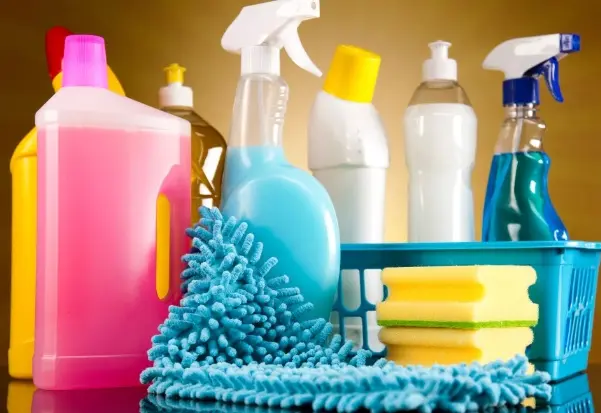
One of the most frequent mistakes dental teams make is using inappropriate cleaning and disinfecting products on their chairs. Many standard cleaning chemicals contain harsh ingredients like bleach, alcohol, or abrasive detergents that can degrade the upholstery, damage plastic components, and corrode metal parts over time.
What to do instead:
Always use manufacturer-recommended cleaners that are specifically designed for dental chairs.
Opt for mild, non-abrasive disinfectants that effectively kill pathogens without harming the materials.
Avoid over-saturating the surfaces; use a damp cloth rather than spraying directly on the chair.
Proper cleaning products protect the chair’s finish, extend the life of the upholstery, and maintain its professional appearance.
2. Skipping Regular Preventive Checks

It’s easy to overlook routine inspections when your dental chair seems to be working fine. But skipping preventive checks is a recipe for expensive breakdowns later.
Hydraulic systems, motors, and electronic controls are all subject to wear and require periodic attention. Small issues like oil leaks, unusual noises, or minor electrical glitches can escalate quickly if ignored.
What to do instead:
Schedule regular preventive maintenance with a certified technician at least once or twice a year.
Train your staff to perform basic visual checks weekly and report any irregularities.
Keep a log of maintenance activities and issues for reference.
Proactive maintenance minimizes downtime and ensures uninterrupted service for your patients.
3. Neglecting the Upholstery
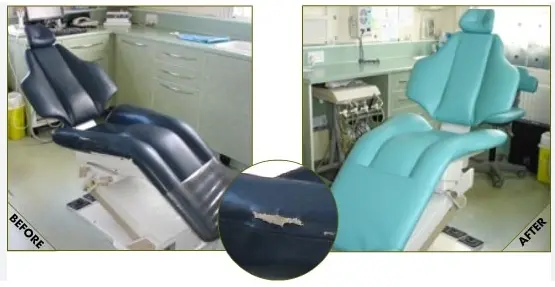
The upholstery is one of the first things patients notice about your dental chair. Torn, cracked, or discolored cushions not only look unprofessional but can also compromise hygiene and comfort.
Unfortunately, many clinics fail to clean and protect the upholstery properly. Excessive exposure to sunlight, harsh cleaners, or sharp objects can shorten its lifespan dramatically.
What to do instead:
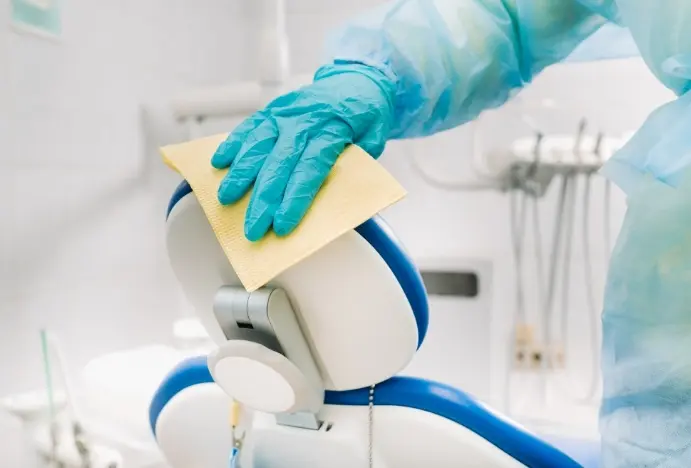
Wipe down the upholstery after each use with approved mild disinfectants.
Use protective covers if the chair is in direct sunlight.
Avoid placing sharp tools or objects on the cushions to prevent cuts and tears.
With proper care, your upholstery can maintain its fresh, clean appearance for years.
4. Improper Lubrication
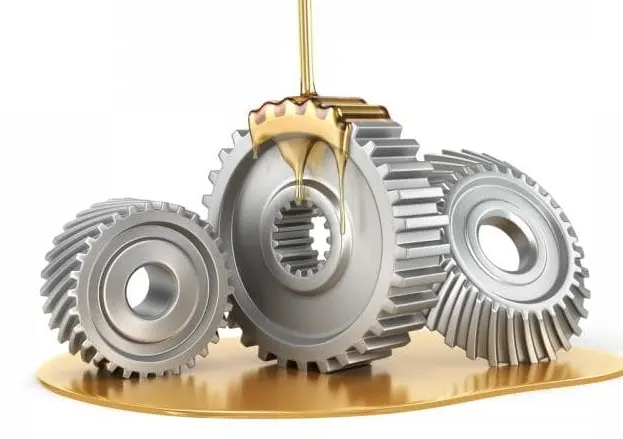
Dental chairs rely on moving mechanical parts like armrests, joints, and hydraulic components. Without proper lubrication, these parts can seize up, wear out faster, and even cause damage to motors or pumps.
On the other hand, over-lubricating or using the wrong type of lubricant can attract dust and debris, clogging the mechanisms.
What to do instead:
Refer to your chair’s user manual for specific lubrication points, recommended lubricants, and intervals.
Avoid over-applying lubricants—just a light, even coating is usually sufficient.
Have a technician lubricate internal components during annual service visits.
Correct lubrication keeps your chair operating smoothly and silently.
5. Ignoring Minor Issues
It’s easy to brush off small problems—like a slight wobble, a minor oil stain on the floor, or an occasional squeak—especially when you’re busy. But ignoring these minor warning signs often leads to major failures that could have been avoided.
What to do instead:
Take all irregularities seriously. Any new noise, vibration, leak, or control issue warrants investigation.
Train your staff to report issues as soon as they notice them.
Contact a professional service provider to diagnose and fix problems promptly before they escalate.
A “wait and see” approach almost always costs more in the long run.
Best Practices for Dental Chair Maintenance
Now that you know what not to do, here are some proactive steps you can take to maintain your dental chair properly:
- Develop and follow a written maintenance schedule based on the manufacturer’s guidelines.
- Clean and disinfect thoroughly after each patient using approved products.
- Train your team on daily, weekly, and monthly maintenance routines.
- Partner with a reputable service provider for regular professional inspections and repairs.
- Keep detailed maintenance records to track the condition of your equipment over time.
Conclusion
Your dental chair is at the heart of your practice, and maintaining it properly is essential for patient satisfaction, safety, and your bottom line. By avoiding the five common maintenance mistakes outlined in this article, you can protect your investment, minimize downtime, and extend the life of your equipment.
Don’t wait for problems to arise—take action today to review your maintenance practices and make any necessary changes.