When setting up or upgrading a dental clinic, choosing the right equipment is a critical step. However, many dentists, clinic managers, and even suppliers often use terms like dental chair, dental unit, and dental chair unit interchangeably — which can lead to confusion. Although related, these terms refer to different parts of the dental operatory.
This article will explain in detail what each term means, the key differences between them, and why understanding these distinctions is important for your practice.
1. What is a Dental Chair?
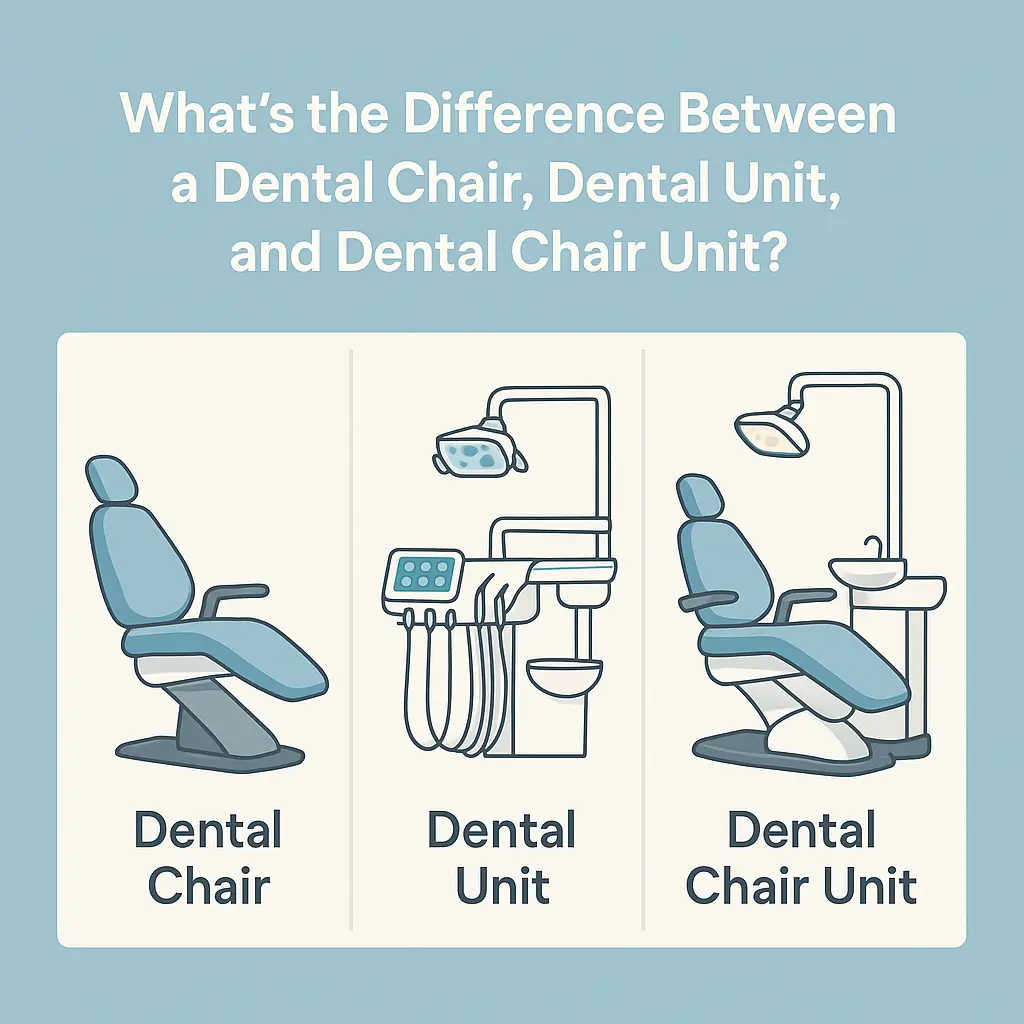
The dental chair is the seat or furniture where the patient sits during treatment.
It is designed with ergonomics and comfort in mind, to allow the patient to remain relaxed and properly positioned while the dentist works.
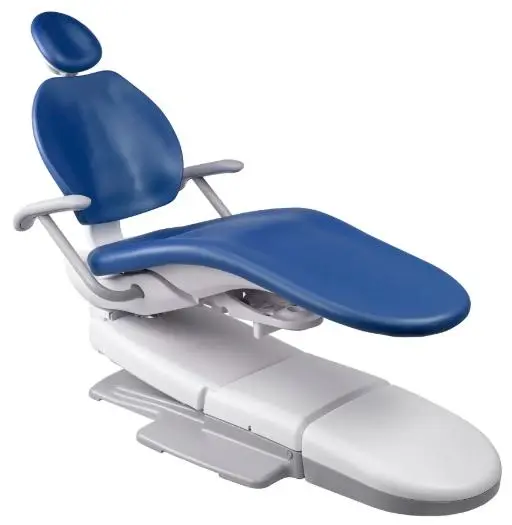
Components of a dental chair:
Seat and backrest: Padded and contoured to support the body.
Headrest: Adjustable to support the head and neck at different angles.
Armrests: Optional, but they help patients get in and out easily.
Base and lifting mechanism: Usually powered by hydraulics or electrics, allowing the chair to raise, lower, tilt, and recline smoothly.
Foot control or panel: To adjust the chair position without using hands, maintaining sterility.
Purpose:
The dental chair itself does not include any instruments or delivery systems. Its primary function is to provide the patient with a stable, comfortable, and adjustable position to facilitate treatment.
Confusion Points:
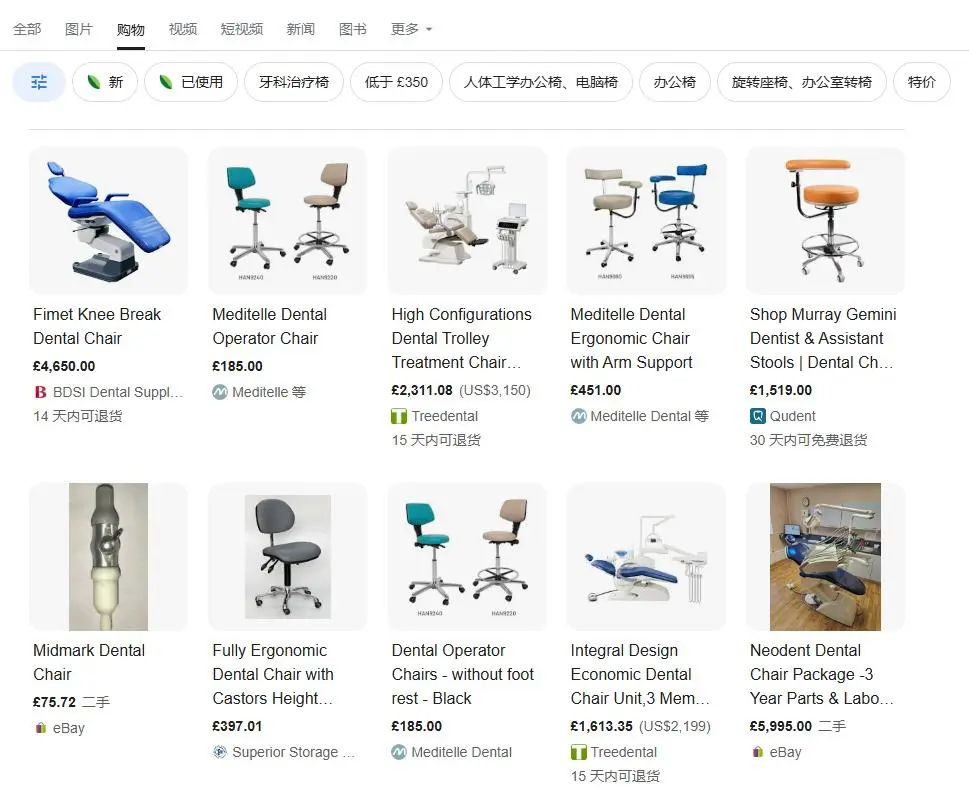
Many suppliers online also use the name of dental stool to name their products. Many suppliers also simply refer to dental chair unit as dental chair. Therefore, when we search for dental chair on Google, three products will appear. See the figure below.
2. What is a Dental Unit?
The dental unit, sometimes called the delivery system, refers to the functional equipment and instruments used by the dentist to perform procedures.It is usually attached to or positioned around the dental chair, but it is technically a separate system.
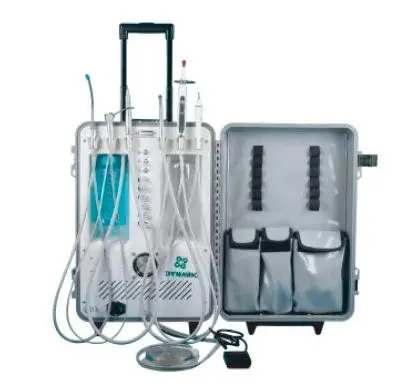
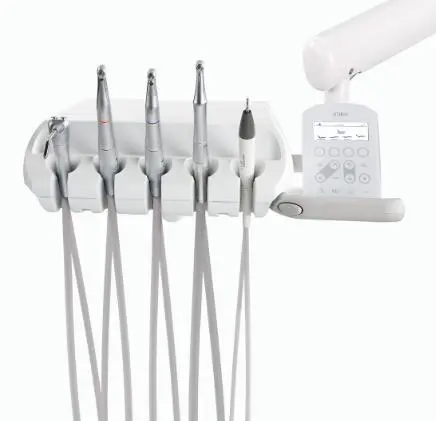
Components of a dental unit:
Control panel: Allows the dentist to adjust settings for handpieces, water, and air.
Handpiece delivery system: Tubes and holders for high-speed and low-speed dental handpieces.
Air-water syringe: For rinsing and drying during procedures.
Suction system: Includes high-volume suction and saliva ejector.
Spittoon (cuspidor): A small bowl for patients to rinse and spit.
Assistant’s instrumentation: Controls and holders positioned on the assistant’s side.
Light (optional): Many units include a dental operating light.
Purpose:
The dental unit supplies air, water, power, and suction to the instruments and provides the necessary tools for dental treatments.
3. What is a Dental Chair Unit?
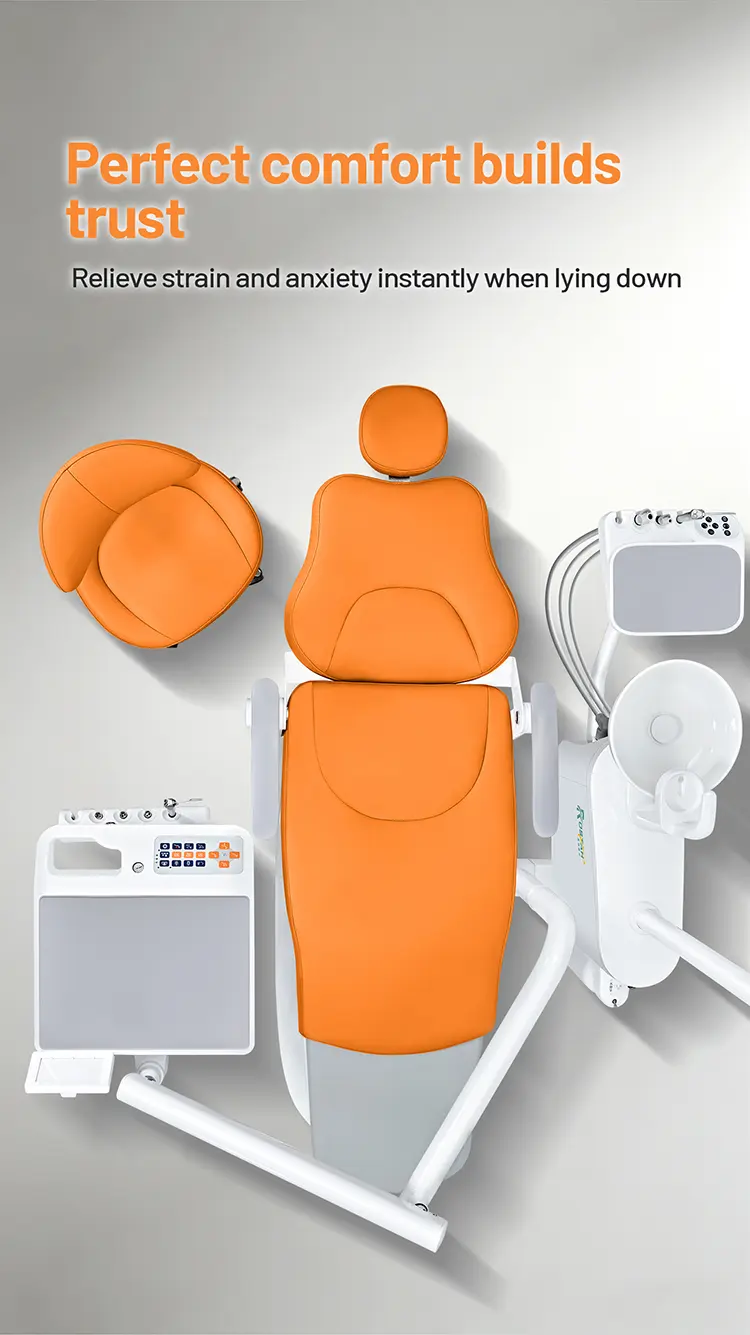
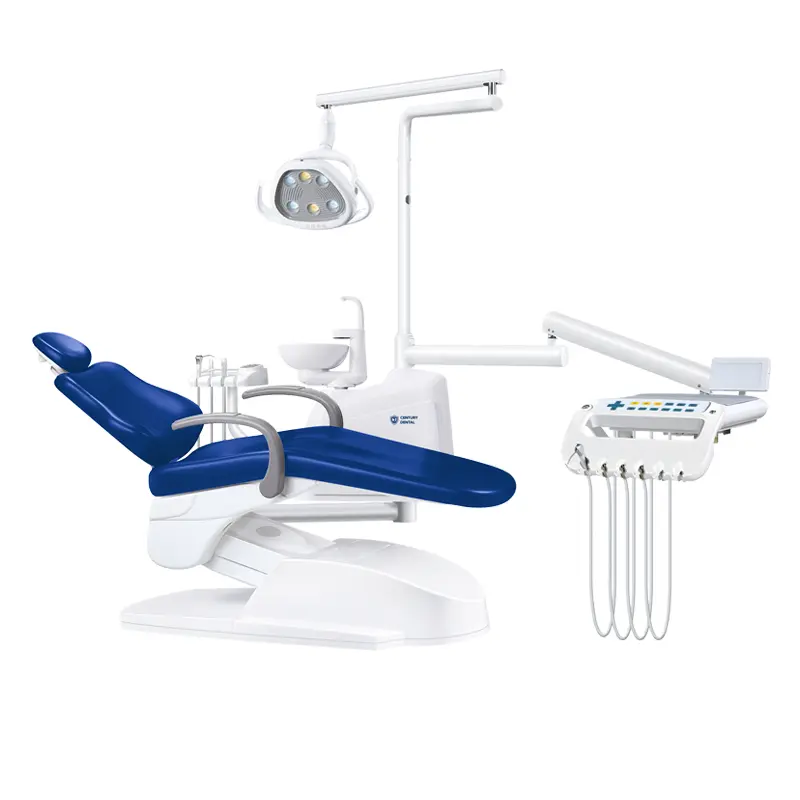
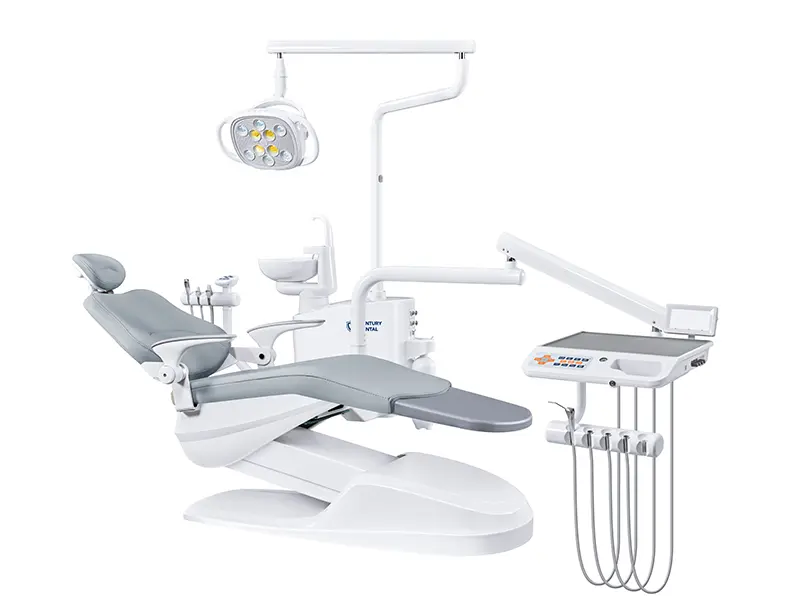
The dental chair unit (also often just called “dental unit” in marketing materials) refers to the complete, integrated system that combines both the dental chair and the dental unit.
What it includes:
- The dental chair (patient seat with all its mechanisms)
- The dental unit (instruments, delivery systems, spittoon, suction, etc.)
- Usually also includes an operating light mounted above the chair.
Most modern dental equipment is sold as a dental chair unit, which ensures that all components are compatible and seamlessly integrated for optimal performance and aesthetics.
4. Why Does This Distinction Matter?
Understanding these terms is more than just semantics — it has practical implications when purchasing, maintaining, or upgrading your dental operatory.
-Buying equipment:
If you already have a working dental unit but the chair upholstery is torn or the hydraulics are failing, you may only need to replace the chair. Conversely, if you want to upgrade to more advanced instruments but your chair is fine, you can often replace only the unit.
-Maintenance and repair:
When service technicians ask what part needs repair, specifying whether it’s the chair’s motor or the unit’s suction system helps them prepare the right tools and parts.
-Budgeting:
A full dental chair unit costs more than just the chair or the unit alone. Breaking down the components helps you prioritize and plan your budget effectively.
5. Common Misunderstandings
Because most clinics purchase the chair and unit together as a single system, people often assume they are inseparable. But in fact:
The chair and unit can be purchased separately.
Some clinics mix and match chairs and units from different manufacturers (though compatibility should always be checked).
Repairs and replacements can also be done on just one part of the system.
6. Summary Table: Key Differences
| Feature | Dental Chair | Dental Unit | Dental Chair Unit |
|---|---|---|---|
| What it is | The patient’s seat only | The instruments & controls | Both combined in one system |
| Main function | Patient comfort & position | Deliver tools & utilities | Complete operatory system |
| Includes | Seat, backrest, headrest, base | Control panel, handpieces, suction, spittoon | All of the left two |
| Sold separately? | Yes | Yes | Yes (as a package) |
Conclusion
In summary, the terms dental chair, dental unit, and dental chair unit describe different — but interconnected — parts of the dental operatory.
The chair is all about patient comfort and positioning.
The unit delivers the functionality and instruments for treatment.
The chair unit is the complete integrated package most clinics use today.
By understanding these distinctions, you can make more informed decisions about what to buy, how to maintain your equipment, and how to communicate effectively with suppliers and technicians.
If you’re setting up or upgrading your clinic, always consult with your supplier to ensure all parts of your dental chair unit are properly matched and suited to your workflow and treatment needs.